Which Is Better PEX Or PERT Pipe?
Jan 08, 2024
Which is better PEX or PERT pipe?
Introduction:
In any plumbing system, the choice of the right pipe is crucial to ensure its efficiency, durability, and overall performance. Two popular options often compared are PEX (cross-linked polyethylene) and PERT (polyethylene raised temperature) pipes. Both PEX and PERT pipes are widely used in various applications due to their flexibility, durability, and resistance to corrosion. However, there are distinct differences between the two that make one better suited for certain situations compared to the other. In this article, we will delve into the characteristics, advantages, and disadvantages of PEX and PERT pipes to determine which one is better.
PEX Pipes:
Characteristics:
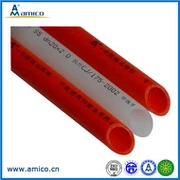
PEX pipes are made of cross-linked polyethylene, a thermoplastic material that is highly durable, flexible, and resistant to temperature extremes and chemicals. They come in different colors to indicate their specific application, such as red for hot water lines and blue for cold water lines. PEX pipes are available in different sizes and can be easily bent without the need for additional fittings.
Advantages:
One of the major advantages of PEX pipes is their flexibility. They can be easily bent and maneuvered around obstacles, making installation much easier, especially in tight spaces. PEX pipes also have excellent resistance to freezing, which makes them ideal for cold climates. Additionally, PEX pipes have a smooth interior surface, reducing the risk of scale build-up and improving water flow. They are also resistant to corrosion, eliminating the need for regular maintenance.
Disadvantages:
PEX pipes are not recommended for outdoor use as they are susceptible to degradation when exposed to UV light. High temperatures can also affect the performance and lifespan of PEX pipes. Although they are resistant to freezing, PEX pipes can still burst if water inside them freezes and expands. Furthermore, PEX pipes cannot be directly connected to a hot water heater or used for direct sunlight applications.
PERT Pipes:
Characteristics:
PERT pipes are made of polyethylene raised temperature, a type of polyethylene that is specifically designed to withstand high temperatures. They have a uniform structure with a controlled crystallinity, making them more resistant to thermal stress compared to regular polyethylene pipes.
Advantages:
One of the main advantages of PERT pipes is their ability to handle high temperatures. They are suitable for use in hot water systems, radiant floor heating, and other applications where the water temperature exceeds that of regular PEX pipes. PERT pipes also have excellent chemical resistance, making them suitable for various plumbing applications. Like PEX pipes, PERT pipes are highly flexible and can be easily bent during installation.
Disadvantages:
PERT pipes are typically more expensive compared to PEX pipes. They also have a higher linear expansion coefficient, which means they can expand and contract more with temperature fluctuations. This may require additional attention and planning during installation to prevent damage. PERT pipes also have a slightly lower pressure rating compared to PEX pipes.
Comparison and Conclusion:
When comparing PEX and PERT pipes, it''s important to consider the specific requirements of the plumbing system and the intended application.
PEX pipes are more commonly used for general plumbing applications, including potable water lines and residential plumbing systems. They are cost-effective, highly flexible, and relatively easy to install. However, PEX pipes are not recommended for high-temperature applications or outdoor use due to their susceptibility to UV light and temperature limitations.
PERT pipes, on the other hand, are specifically designed for high-temperature applications. They are suitable for hot water systems, radiant floor heating, and other applications where water temperatures exceed the capabilities of PEX pipes. PERT pipes have excellent chemical resistance and are also flexible, making them a good alternative to PEX pipes in specific situations. However, PERT pipes are generally more expensive and have a slightly lower pressure rating compared to PEX pipes.
In conclusion, the choice between PEX and PERT pipes depends on the specific requirements of the plumbing system. PEX pipes are a versatile option for most general plumbing applications, while PERT pipes are better suited for high-temperature applications. It is important to carefully consider factors such as temperature limitations, UV exposure, cost, and pressure requirements before making a decision. Ultimately, consulting with a plumbing professional can help determine the best choice for any specific plumbing project.