Call Us: +86-574-86590890Email: emilyyea@amico.cn
enLanguage

Single Layer Pert Pipe

Company Profile


Ningbo Amico Plastic Industry Inc. located in Ningbo China, is a stock-holding enterprise, which specialized in producing pipes and fittings. With annual productivity over 10000 tons, Ningbo Amico Plastic Industry Inc. mainly produce plastic aluminum pipe, PP-R pipe, PE-RT pipe, HDPE pipe, PE-RT heating pipe series, brass adapter etc. Amico been awarded the title of Name-brand frequently and acquired ISO9001 and ISO14001 certificate. As early as 2004, Amico plastic aluminum pipe and PP-R pipe were titled as "Chinese best seller brand" Amico pipes and fittings enjoy high praise from home and abroad. So far, the company domestic sale network spreads more than 20 provinces. Meanwhile, the products are popular in various countries, such as Russia, the Phillipines, Chile, Indonesia etc.


Why choose us
 
01/

High quality
Our products are manufactured or executed to very high standards, using the finest materials and manufacturing processes.

02/

Professional team
Our professional team collaborate and communicate effectively with one another, and are committed to delivering high-quality results. They are capable of handling complex challenges and projects that require their specialized expertise and experience.

03/

Long warranty
The long-term warranty is designed to give consumers more confidence that their purchases and services will continue to be valid.

04/

Rich experience
Dedicated to strict quality control and attentive customer service, our experienced staff is always available to discuss your requirements and ensure complete customer satisfaction.

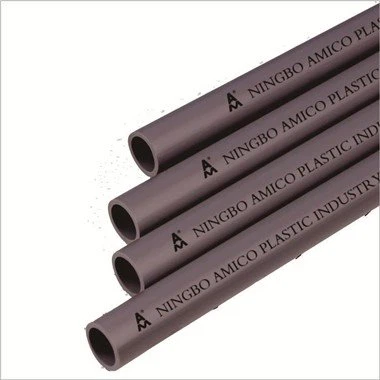


What is Single Layer Pert Pipe

Polyethylene of Raised Temperature Resistance (PERT). Flexible pipes for quick installation, with excellent resistance to corrosion, tuberculation and deposits. PERT pipes do not freeze and therefore do not break in sub-zero conditions. They also have a low noise transmission.

PE-AL-PE Pipe


Benefits of Single Layer Pert Pipe
PPR-AL-PPR Pipe
DIN 8077/8078 PPR Pipe
Pert Type II Pipe
PE 80 Pipe

Flexibility
Single layer PERT pipes are highly flexible and offer a range of installation options. They can be bent and curved to fit the contours of any space, making them ideal for complex installations with tight corners and limited access.

Corrosion resistance
Single layer PERT pipes are highly resistant to corrosion and rust, which makes them ideal for use in areas with high moisture levels. They do not deteriorate over time, helping to prolong the lifespan of the entire piping system.

Thermal resistance
Single layer PERT pipes are designed to withstand high temperature fluctuations without cracking or deforming. They can handle both hot and cold water temperatures, making them perfect for use in a wide range of domestic and commercial applications.

Low installation costs
Single layer PERT pipes are relatively easy to install, which reduces the overall installation costs. Their flexibility allows for speedy installation, reducing the downtime in projects.

Easy to maintain
Single layer PERT pipes require little maintenance over their lifespan. Unlike traditional copper pipes, they do not corrode and do not require regular pipe replacements.

Energy efficiency
Single layer PERT pipes are highly energy-efficient, thanks to their superior insulation properties. They help to reduce heat loss, which can translate into lower energy consumption in homes and buildings.

Safe for drinking water
Single layer PERT pipes are approved for use in potable water supply systems. They do not contaminate water with harmful substances and are safe for drinking.

Temperature resistance
Single layer PERT pipes excel in their ability to withstand high temperatures, making them suitable for various applications, including hot and cold water supply systems, underfloor heating, and radiator connections. They can typically handle temperatures ranging from -40°C to 95°C (-40°F to 203°F).

Low noise transmission
Single layer PERT pipes possess superior acoustic properties, minimizing noise transmission within plumbing systems. This feature is particularly advantageous for applications that require reduced noise levels, such as residential and commercial buildings.


Single Layer Pert Pipe Implementation


PERT EVOH Pipe


01

System design

Proper system design, including correct pipe sizing and layout, is essential for the optimal performance of single layer pert pipe installations. Consulting with a professional plumber or engineer can help ensure a well-designed plumbing system.

Anti-bacterial PPR Pipe


02

Compatibility

While single layer pert pipes are compatible with most plumbing fittings and connectors, it is crucial to verify compatibility with other components in the system to prevent any compatibility issues during installation or maintenance.

PB EVOH Pipe


03

Code compliance

Ensure that the single layer pert pipes you choose comply with local building codes and standards to guarantee the safety and reliability of your plumbing system. Compliance with industry regulations helps avoid potential legal and insurance-related complications.

Anti-bacterial PPR Pipe


04

Professional installation

To maximize the benefits of single layer pert pipes, it is advisable to hire experienced plumbing professionals who are knowledgeable about PERT pipe installation techniques. Their expertise will ensure proper installation, minimizing the risk of leaks or other issues.


DIN 8077/8078 PPR Pipe


Material of Single Layer Pert Pipe

The raw material of PERT pipe is heat-resistant polyethylene PE-RT, which is melted at high temperature and then extruded into a material. The raw material of the pipe is non-toxic, and there is no cross-linking during the intelligent manufacturing process.


Application of Single Layer Pert Pipe
 
01/

Plumbing systems
Single layer PERT pipes are used in both residential and commercial plumbing systems for the distribution of hot and cold water. They offer excellent resistance to corrosion, scaling, and chemical degradation.

02/

Radiant floor heating
Single layer PERT pipes are widely used in radiant floor heating systems. These systems use hot water circulated through PERT pipes installed on the floor to provide efficient and comfortable heating.

03/

Potable water distribution
Single layer PERT pipes are suitable for use in potable water distribution systems. They are resistant to chemical reactions, making them a safe choice for conveying drinking water.

04/

Hydronic heating systems
Single layer PERT pipes are used in hydronic heating systems, which utilize hot water or steam to provide heating in residential, commercial, and industrial settings.

05/

Snow melting systems
Single layer PERT pipes are used in snow melting systems, where they are installed beneath driveways, walkways, or other surfaces to circulate warm water or antifreeze, melting snow and ice.

06/

Industrial applications
Single layer PERT pipes find applications in various industrial processes, such as transporting chemicals, acids, and other fluids where resistance to corrosion and high temperatures is required.


Step-by-Step Guide to Installing Single Layer PERT Pipe in Plumbing Projects


Polyethylene of Raised Temperature (PERT) pipes has become a go-to choice in plumbing for its flexibility, durability, and resistance to high temperatures. If you're a plumbing professional gearing up for a single layer PERT pipe installation, buckle up for a comprehensive step-by-step guide. Let's dive into the intricacies of ensuring a seamless installation for optimal performance.
Gather the necessary tools and materials
Before diving into the installation, make sure you have all the tools and materials required. This includes single layer PERT pipes of the appropriate size, fittings, a pipe cutter, a reamer, a chamfering tool, crimping tools, and appropriate fasteners.

Measure and plan
Accurate measurements are the backbone of a successful installation. Plan the layout of the pipes, considering factors such as the distance between fixtures, support locations, and potential obstacles. This meticulous planning ensures efficiency and minimizes the risk of errors.

Cut single layer pert pipes to size
Use a high-quality pipe cutter to make clean, straight cuts on the single layer PERT pipes according to the measurements. Ensure that the cuts are square and free from burrs to facilitate proper fitting and secure connections.

Ream and chamfer the ends
After cutting, use a reamer to remove any rough edges on the inside of the pipe. Additionally, chamfer the outer edges to create a bevelled surface. This not only facilitates smoother fittings but also ensures a secure connection with the fittings.

Assemble and dry-fit the system
Begin assembling the single layer PERT pipes and fittings without crimping to check the dry fit of the system. This step allows you to identify any potential issues in the layout and make adjustments before securing the connections.

Secure with crimping tools
Once satisfied with the dry fit, use crimping tools to secure the connections. Follow the manufacturer's recommendations for crimping specifications and ensure that the crimp rings are properly placed to create leak-proof joints.

Install support and hangers
Support the single layer PERT pipes adequately to prevent sagging and ensure long-term stability. Install hangers at recommended intervals, considering the weight of the pipes and potential thermal expansion.

Pressure test the system
Before completing the installation, conduct a pressure test to ensure the integrity of the system. Pressurize the pipes and monitor for any pressure drops, indicating potential leaks. Address and rectify any issues before proceeding.

Insulate as needed
Depending on the application and local climate, consider insulating the single layer PERT pipes to prevent heat loss or gain. This step is crucial for maintaining the desired temperature of the transported fluids.

Document and educate
Document the installation details, including measurements, fittings used, and any specific considerations. Provide this documentation to the building owner and educate them on the proper maintenance and care of the single layer PERT plumbing system.


How to Maintain Single Layer Pert Pipe


Regular inspection
Regular inspection is crucial for maintaining single layer PERT pipes. Check for signs of damage, such as cracks, leaks, and warping, and replace any damaged fittings immediately. Also, look for signs of clogging, such as reduced water pressure, and clear any blockages.

Cleaning
Regular cleaning is also essential for maintaining single layer PERT pipes. Use a mild detergent and warm water to clean fittings that are exposed to dirt and debris. Avoid using harsh chemicals or abrasive cleaners, as they can damage the fittings.

Lubrication
Lubrication can help prevent single layer PERT pipes from cracking or breaking. Apply a small amount of silicone lubricant to the fittings to reduce friction and prevent wear and tear.

Temperature control
Single Layer PERT Pipes can be sensitive to extreme temperatures. If fittings are exposed to temperatures outside of their operating range, they can become brittle and prone to cracking. Keep single layer PERT pipes within their recommended temperature range to prevent damage.

Proper installation
Proper installation is another important factor in maintaining single layer PERT pipes. Ensure that fittings are installed according to manufacturer instructions and that they are compatible with the types of pipes and materials that they will be connected to.


The Difference Between Single Layer PERT Pipe and PEX Pipe


PERT and PEX are two types of plastic pipes that have gained popularity in recent years due to their flexibility and durability. PERT stands for Polyethylene of Raised Temperature Resistance and is a type of flexible plastic pipe that can withstand high temperatures, making it ideal for use in underfloor heating systems. It is also commonly used for hot and cold water plumbing systems.
PEX stands for cross-linked polyethylene, which is a more rigid plastic pipe that is often used for water supply lines in residential and commercial buildings. PEX is known for its flexibility, making it easy to install in tight spaces and around corners.
Both PERT and PEX pipes are lightweight and resistant to corrosion and chemicals, making them ideal for use in a variety of applications. They are also affordable and offer a long lifespan, making them a popular choice for many homeowners and builders.
The material of the pipe is different

  • The raw material of PERT pipe is heat-resistant polyethylene PE-RT, which is melted at high temperature and then extruded into a material. The raw material of the pipe is non-toxic, and there is no cross-linking during the intelligent manufacturing process.
  • PEX pipe is a general term for a series, including PE-Xa, PE-Xb, PE-Xc, etc. The production process requires polyethylene for silane crosslinking.

The maintenance methods are different

  • PERT can be repaired by hot melt connection, and the pressure resistance performance after repair is the same as the original pipeline.
  • The PEX series pipelines can only be repaired by external pipe clamps.

The scope of use is different

  • In addition to floor heating, PERT can also be used in edible fluid production lines such as drinking water and beverages.
  • But PEX pipe is not good, because it is a cross-linked pipe and has certain toxicity.

When it comes to choosing between PERT pipe and PEX pipe, there are a few things to consider. PERT pipe is known for its flexibility, durability, and resistance to high temperatures. It is a great option for hot water applications, but it can be difficult to install due to its stiffness. PEX pipe, on the other hand, is known for its ease of installation and low cost. It is suitable for both hot and cold water applications, but it may be less durable over time.
PERT pipe may be a better choice for high-temperature applications, while PEX pipe may be a better choice for low-cost and easy installation. It is important to carefully evaluate the specific needs of your project before making a final decision. Consulting with a professional plumber or contractor can also be helpful in choosing the right type of pipe for your project.


Certifications


product-1-1
product-1-1


Our Factory

Ningbo Amico Plastic Industry Inc. located in Ningbo China, is a stock-holding enterprise, which specialized in producing pipes and fittings. With annual productivity over 10000 tons, Ningbo Amico Plastic Industry Inc. mainly produce plastic aluminum pipe, PP-R pipe, PE-RT pipe, HDPE pipe, PE-RT heating pipe series, brass adapter etc.

product-1200-1200


FAQ
 

Q: What is single layer PERT pipe?

A: Single layer PERT pipe, also known as Cross-Linked Polyethylene (PEX-a) pipe, is a type of thermoplastic pipe commonly used in residential and commercial plumbing applications, particularly for hot and cold water distribution systems.

Q: What are the advantages of single layer PERT pipe?

A: Single layer PERT pipe offers numerous advantages such as high temperature resistance, excellent corrosion resistance, long service life, flexibility, ease of installation, and low maintenance costs.

Q: What are the common uses of single layer PERT pipe?

A: Single layer PERT pipe is commonly used for hot and cold water distribution systems, radiant floor heating systems, and snow melting systems.

Q: What is the operating temperature range of single layer PERT pipe?

A: The operating temperature range of single layer PERT pipe is typically between -10°C to 95°C for hot water applications and -20°C to 60°C for cold water applications.

Q: What is the pressure rating of single layer PERT pipe?

A: Single layer PERT pipes have a pressure rating of up to 6 bar (87 psi) for hot water applications and up to 10 bar (145 psi) for cold water applications.

Q: What is the thickness of single layer PERT pipe?

A: The thickness of single layer PERT pipe varies depending on the diameter and pressure rating of the pipe. Generally, the thickness ranges from 2.0mm to 3.2mm.

Q: How do you install single layer PERT pipe?

A: Single layer PERT pipes are installed using a special crimp or compression fitting method that involves inserting the pipe into a fitting and securing it with a clamp or ring. This method ensures a secure and leak-free joint.

Q: Can single layer PERT pipe be joined using solvents or adhesives?

A: No, single layer PERT pipes cannot be joined using solvents or adhesives. The crimp or compression fitting method must be used to ensure a secure and leak-free joint.

Q: What is the lifespan of single layer PERT pipe?

A: Single layer PERT pipes have a typical lifespan of 50 years or more when properly installed and maintained.

Q: Is single layer PERT pipe suitable for outdoor use?

A: Yes, single layer PERT pipe is suitable for outdoor use as it is resistant to UV radiation and weathering. However, care should be taken to protect the pipes from mechanical damage.

Q: Can single layer PERT pipe be used for drinking water systems?

A: Yes, Single Layer PERT pipe is safe for use in drinking water systems as it is free from harmful chemicals and additives. It meets all relevant health and safety standards.

Q: What is the minimum bend radius for single layer PERT pipe?

A: The minimum bend radius for single layer PERT pipe is typically 6 times the outer diameter of the pipe. This ensures that the pipe does not kink or collapse during installation or operation.

Q: Can single layer PERT pipe be recycled?

A: Yes, single layer PERT pipe can be recycled. It is made from a thermoplastic material that can be melted down and reformed into new products. Recycling helps reduce waste and conserve resources.

Q: What is the typical wall thickness of single layer PERT pipe?

A: The typical wall thickness of single layer PERT pipe ranges from 2.0mm to 3.2mm depending on the diameter and pressure rating of the pipe. Thicker walls provide greater strength and durability.

Q: Can single layer PERT pipe be cut with a hacksaw?

A: Yes, single layer PERT pipe can be cut with a hacksaw. However, it is recommended to use a fine-toothed hacksaw blade to avoid damaging the pipe. After cutting, the ends of the pipe should be deburred to remove any sharp edges.

Q: What is the difference between SDR and DN in single layer PERT pipe specifications?

A: SDR stands for Standard Dimension Ratio, which is a measure of the pipe's wall thickness relative to its diameter. DN stands for Diameter Nominal, which refers to the nominal outside diameter of the pipe. These two measurements are used to specify the size of Single Layer PERT pipes. They help ensure compatibility with other plumbing components and fittings.

Q: can single layer PERT pipe be used for underground applications?

A: Yes, single layer PERT pipe can be used for underground applications. However, it must be protected from mechanical damage and chemical corrosion. In some cases, additional bedding or backfill materials may be required to support the pipe and prevent soil movement.

Q: What is the typical color of single layer PERT pipe?

A: The typical color of single layer PERT pipe is white or cream. However, other colors may be available depending on the manufacturer and application requirements. Colored pipes can be used for identification purposes in complex plumbing systems.

Q: Can single layer PERT pipe be used for HVAC applications?

A: Yes, single layer PERT pipe can be used for HVAC applications such as radiant floor heating systems and snow melting systems. Its high temperature resistance and flexibility make it suitable for these applications.

Q: What is the difference between PERT and PEX pipe?

A: PERT and PEX pipes are both types of cross-linked polyethylene pipes commonly used in plumbing applications. However, they differ in their manufacturing process and properties. PERT is manufactured using a peroxide catalyst, while PEX is manufactured using a silane crosslinking agent. PERT pipes have a smoother surface and better flexibility compared to PEX pipes.

As one of the leading single layer pert pipe manufacturers and suppliers in China, we warmly welcome you to wholesale customized single layer pert pipe made in China here from our factory. All our products are with high quality and competitive price.

Barb Hose Fittings, Brass tee connector, Times PPR pipes and fittings

(0/10)

clearall