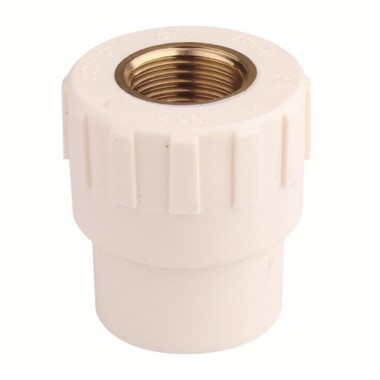
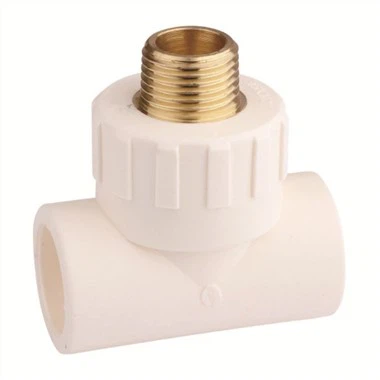
PB Pipe System

Why Choose Us

High quality

All of our pipe is capable of being ultrasonic tested providing you with less downtime and cost savings VS.

Innovation

We are dedicated to improving our systems continually, ensuring that the technology we offer is always cutting edge.

Competitive price

We have professional sourcing team and cost accounting team, stive to reduce cost and profit and provide you a good price.

24H online service

Our customer support team is available 24/7 to answer any questions or concerns you may have.


What is a PB Pipe System pipe


Polybutylene pipes are a type of plastic piping that was once widely used for potable water supply lines in residential homes from the late 1970s to the mid-1990s. The pipes are made of a flexible plastic material that breaks down easily with water chlorination and can flake chemical residue into the water supply.

Benefits of PB Pipe System


DIN 8077/8078 PPR Pipe

Corrosion resistance

PB pipes are highly resistant to corrosion, making them an excellent choice for use in a variety of environments, including industrial, marine, and underground applications.

DIN 8077/8078 PPR Pipe

Durability

PB pipes are highly durable and can withstand high pressures, making them an excellent choice for use in high-pressure applications.

PPR-AL-PPR Pipe

Flexibility

PB pipes are extremely flexible and can be easily bent into different shapes and sizes, making them ideal for use in tight spaces or for applications that require a lot of curves.

PPR-AL-PERT Pipe

Freeze resistance

PB piping is more resistant to damage from freezing than PVC, which can crack and break in extreme temperatures.

Pert Pipe

Low maintenance

PB pipes require very little maintenance, which helps to reduce the overall cost of ownership and ensure that the system operates at peak efficiency.

DIN 8077/8078 PPR Pipe

Cost effective

PB pipe systems are typically more cost-effective than other piping materials, such as copper or steel, making them an excellent choice for commercial and industrial applications.

PE-AL-PE Pipe

Non toxic

PB pipes are non-toxic, making them safe for use in drinking water and other applications that require non-toxic piping materials.

PE 80 Pipe

High temperature resistance

PB pipes can withstand high temperatures, making them an excellent choice for use in heating and cooling systems and other high-temperature applications.

Types of PB Pipe System


PB-2110

This system uses a grey PB pipe with a diameter of 16mm and is commonly used for heating and cooling systems. It is also suitable for underfloor heating, surface-mounted heating, and radiator system installations.

01

PB-2210

This system is similar to PB-2110 but uses a larger diameter pipe of 20mm. It is commonly used for more extensive heating and cooling systems.

02

PB-2310

This system uses multi-layer PB pipes of 16mm or 20mm diameter, which are suited for hot and cold water installations. This system is commonly used in residential and commercial buildings.

03

PB-2410

This system uses a single-layer PB pipe with a diameter of 16mm or 20mm and is suitable for hot and cold water installations. It is commonly used in residential and commercial buildings.

04

PB-2510

This system uses a PB pipe in combination with a barrier pipe layer, which provides extra protection against the transfer of oxygen into the water. It is suitable for both hot and cold water installations and is commonly used in larger-scale buildings and commercial applications.

05


DIN 8077/8078 PPR Pipe


Material of PB Pipe System

Polybutylene:PB (Polybutylene) pipe system is made of a thermoplastic polymer material called polybutylene. It is a low-cost material that is lightweight, flexible, and easy to install. PB pipe system is primarily used for plumbing and heating applications in residential and commercial buildings. The material has good chemical resistance, but it is not recommended for use with oxidizing agents such as chlorine.


Application of PB Pipe System
 
01/

Residential plumbing:PB pipes are used for residential plumbing systems as they can withstand high water pressure and are resistant to corrosion and scaling.

02/

Heating and cooling systems:PB pipes are used in heating and cooling systems as they are easy to install and flexible, reducing installation costs.

03/

Compressed air systems:PB pipes are used for compressed air systems in industrial applications as they do not corrode and have a long lifespan.

04/

Industrial fluid transfer:PB pipes are used for industrial fluid transfer applications as they are chemical and corrosion resistant, ensuring safe and efficient fluid transfer.

05/

Water treatment:PB pipes are used in water treatment plants as they can handle high temperatures, pressure, and corrosive chemicals, making them ideal for processing and treating water.

06/

Fire protection:PB pipes are used in sprinkler systems to provide fire protection.


Process of PB Pipe System

1.Design:The first step of the process is to design the PB pipe system. The design is carried out based on the requirements of the building or application, and the preferred pipe size and layout.

2.Material selection:The second step is to select the PB pipe material. PB pipes are made of a flexible material called Polybutylene. The material is lightweight, easy to cut, and join with fittings.

3.Pipe installation:The third step is to install the PB pipes. The pipes are installed according to the design, and they can be bent and shaped to fit around obstacles and corners. Once the pipes are installed, they are connected to the various components of the system such as valves, pumps, and boilers.

4.Testing:After the PB pipe system is installed, it goes through rigorous testing to ensure it meets the required safety standards. The system is tested for leaks, pressure, and flow rate.

PERT EVOH Pipe


How to maintain PB Pipe System
 

Checking for leaks and corrosion

Before installing PB pipes, the plumber must inspect existing pipes for leaks and corrosion. Any damaged or corroded pipes must be replaced before installing the new system.


Cutting and fitting the pipes

The PB pipes are cut to the required length using a pipe cutter or saw. The pipes are then fitted into place using compression fittings or crimping tools.


Connecting the pipes

The PB pipes are connected to other pipes and fixtures using fittings and connectors. These fittings are made of brass or plastic and are designed to be watertight.


Testing the system

Once the PB pipe system is installed, it must be tested for leaks and water pressure. This is done by turning on the water supply and checking for leaks and water pressure readings.


Insulating the pipes

PB pipes are prone to damage from UV rays and extreme temperatures. To prevent this, the pipes must be insulated with foam insulation or heat tape.


Regular maintenance

PB pipes require regular maintenance to ensure they continue to function properly. This includes inspecting the pipes for leaks, checking water pressure, and replacing any damaged pipes or fittings.


How to Use the PB Pipe System


Planning and Preparation
Before you start the installation process, it is important to carefully plan and prepare. Determine the length of the pipes needed and the locations where they will be installed. Measure the area and make a list of all the necessary fittings and connectors.

Installation
Start by cutting the PB pipes to the desired length using a pipe cutter or a fine-toothed saw. Remember to wear safety goggles and gloves to protect yourself during the cutting process. Once the pipes are cut, use a reamer or a utility knife to remove any burrs or rough edges.Next, insert the fittings and connectors into the ends of the pipes. Ensure that they fit securely and create a tight seal. If necessary, apply a small amount of lubricant to aid in the installation process. Connect multiple pipes together using the appropriate connectors and fittings until the desired length is achieved.

Securing the PB Pipe System
After the pipes are installed, it is important to secure them properly to avoid any movement or disconnection. Use pipe hangers, brackets, or clamps to fasten the pipes to the wall or other structural elements. Make sure the pipes are properly aligned and have enough space between them to allow for expansion and contraction.

Pressure Testing
Before using the PB Pipe System, it is essential to conduct a pressure test to ensure there are no leaks. Attach a pressure gauge to the system and slowly pressurize it with air or water. Monitor the gauge for any pressure drops or fluctuations which may indicate a leak. If any leaks are detected, address them immediately by tightening the connections or replacing faulty components.

Regular Maintenance
To ensure the longevity and efficiency of the PB Pipe System, regular maintenance is necessary. Inspect the system periodically for any signs of wear, corrosion, or damage. Replace any damaged or compromised pipes, fittings, or connectors promptly. Additionally, insulate the pipes in areas where they may be exposed to extreme temperatures or environmental conditions.


The Considerations for Buying PB Pipe System
 
Notes 1

It is essential to understand the characteristics and features of PB pipes. PB pipes are known for their flexibility and resistance to freezing, making them ideal for both indoor and outdoor plumbing applications. They are also highly resistant to corrosion, providing a longer lifespan compared to other pipe systems. However, it is crucial to note that PB pipes are not suitable for hot water applications, as they may degrade under high temperatures. Therefore, it is necessary to assess your specific plumbing needs before opting for a PB pipe system.

Notes 2

Before buying a PB pipe system, it is crucial to consider the installation requirements and the expertise required for its installation. PB pipes are typically installed using compression fittings, crimping tools, or heat fusion methods. It is important to ensure that you have the necessary installation equipment and expertise to correctly install the PB pipes. If you are unsure about the installation process, it is recommended to consult a professional plumber to avoid any potential issues in the future.

Notes 3

Another important consideration is the compatibility of PB pipes with other plumbing materials. When connecting PB pipes to existing plumbing systems or fixtures, it is essential to ensure compatibility between the different materials. For instance, if your existing plumbing system uses copper pipes, it is necessary to use appropriate connectors or fittings to join the PB pipes and copper pipes securely. Failure to ensure compatibility can lead to leaks and other plumbing problems.

Notes 4

It is crucial to consider the cost aspect when purchasing a PB pipe system. While PB pipes are generally cost-effective compared to other pipe systems, it is essential to consider the overall installation and maintenance costs. Evaluate the long-term benefits and potential savings associated with using PB pipes, taking into account factors such as durability and resistance to corrosion.

Notes 5

It is advisable to research and purchase PB pipes from reputable suppliers or manufacturers. Ensure that the PB pipes meet the necessary quality standards and certifications. Reading customer reviews and seeking recommendations can also help you make an informed decision.


Certifications
 
productcate-800-541
productcate-800-549


Our Factory

With annual productivity over 10000 tons, China Amico Plastic Industry Inc. mainly produce plastic aluminum pipe, PP-R pipe, PE-RT pipe, HDPE pipe, PE-RT heating pipe series, brass adapter etc. Amico been awarded the title of Name-brand frequently and acquired ISO9001 and ISO14001 certificate. As early as 2004, Amico plastic aluminum pipe and PP-R pipe were titled as "Chinese best seller brand" Amico pipes and fittings enjoy high praise from home and abroad. So far, the company domestic sale network spreads more than 20 provinces. Meanwhile, the products are popular in various countries, such as Russia, the Phillipines, Chile, Indonesia etc.

productcate-675-506


Frequently Asked Questions Aluminum Plastic Composite pipe
 

Q: Is all GREY pipe polybutylene?

A: Interior polybutylene pipes are most often gray, but they can be black. If they are outside the home, they may even be blue. The pipes are usually a half-inch to 1 inch in diameter. Polybutylene pipes are flexible and will bend easily with just a little pressure.

Q: Does polybutylene freeze?

A: It is clear from this rather severe testing that polybutylene pipe, when properly installed, can easily withstand moderate, infrequent freezing.

Q: How do you fix a leaking poly pipe?

A: How to Fix a Black Poly Pipe. The standard repair for a black PE pipe is to install one or more brass barbed couplings secured with hose clamps. You will need to use specific clamps (ones used to secure pipe to fittings) and a tool that squeezes the clamp around the pipe securely.

Q: How long does poly pipe last underground?

A: Between 50-100 years Typically polyethylene pipe can last between 50-100 years if designed, maintained and installed correctly. We take a look at the top five considerations when designing and installing PE pipe in order to achieve a long service life.

Q: How do you seal poly pipe fittings?

A: Inspect the seal – rural poly pipe fittings are equipped with either threads or O-rings. Whichever of the two is present in your fitting will determine whether you need to use Teflon tape. Threaded fittings will have to be wrapped with Teflon or PTFE tape, while those with O-rings do not.

Q: Can you drink water from poly pipe?

A: Yes, poly pipe, which is made from PE100 or HDPE, is safe for drinking water applications and contains no harmful toxins or chemicals such as BPA.

Q: Can you run poly pipe above ground?

A: PE pipe has been used for many years in above ground applications. The unique light weight, joint integrity, and overall toughness of PE has resulted in the above ground installation of PE pipe in various mining, oil, gas production and municipal distribution applications.

Q: Does poly pipe need clamps?

A: Poly Pipe Clamps are used to ensure a secure connection between poly fittings and poly pipe. Choose from a variety of styles and sizes. Some fittings are installed with a screwdriver, others with a crimping tool and some can be installed by hand or with pliers.

Q: What glue works on poly pipe?

A: PE-PP 45 is an industrial-grade glue manufactured specifically for bonding polyethylene and polypropylene. Unlike (most) other acrylic glues, PE-PP 45 has a primer right there in it. This is not separate to the adhesive, rather, it is included within the contents and requires no separate process.

Q: Does poly pipe deteriorate?

A: Poly pipe generally takes 10-15 years to begin to show signs of severe deterioration; therefore it is important to know what problems can be caused by its presence, and what can be done about it before it poses a risk.

Q: Can you bend poly pipe?

A: The ability for polyethylene pipe to be pushed into shape is what makes it such a useful medium in situations where you can't change the landscape or the environment significantly. For example, you might have a trench that has a slight bend in it: Polyethylene pipe will flex enough to fit into the curve.

Q: Can poly pipe be exposed to sunlight?

A: Like PPR, cross-linked polyethylene i.e. PEX piping has the same issues. PEX polymer chains are also prone to degradation due to photo-oxidation facilitated by the UV light. Prolonged sunlight exposure facilitates the photo radiation process reducing the impact strength and weakens the pipe walls, leading to leakages.

Q: Can you concrete over poly pipe?

A: For properly designed and installed concrete structures, there is no damage to PVC pipe from contact with concrete: no physical damage, no chemical attack, no harmful long-term effects.

Q: Can you run hot water in poly pipe?

A: PEX (Polyethylene Cross-Linked Pipe)
Well, contrary to other plastic pipings, PEX is resistant to hot and cold temperatures. This means, it can be used for both hot and cold water lines in households, and it can even be utilized in heating systems.

Q: Can you paint poly pipe?

A: Paint adheres extremely well to UPVC, and it is usually satisfactory to paint with a top coat only. For maximum permanence of colour and life of the finished surface a two coat paint system should be used. All Alkyd paints are suitable.

Q: What temp can poly pipe handle?

A: A significant limitation for polyethylene pipe in these applications is its temperature capability. Typically, polyethylene pipe can be safely used at temperatures up to 60°C (140°F). Projects that involve higher temperatures have historically required alternative materials.

Q: Does poly pipe stretch?

A: During a pipe replacement project, the polyethylene (HDPE) pipe may stretch. This stretching can be due to friction. Ground conditions may force the old pipe to put pressure onto the HDPE pipe. Friction may also occur when replacing homeowner sewer laterals with smaller pipe bursting equipment.

Q: Can you use hose clamps on polyethylene pipe?

A: If it is polyethylene then you would use a brass barbed fitting with hose clamps. You have to heat the end of the pipe before inserting the barbed fitting, but do not over heat as the pipe will become to flimsy. Tighten the clamp down when the pipe is still warm so it comforms to the barb better.

Q: How strong is poly pipe?

A: Comparable 1″ poly pipe is rated to withstand 100 PSI. In fact, to achieve the same pressure rating as PVC, the walls of poly would have to be twice as thick. The fittings (where pipes are joined together) for PVC are rated at 450 PSI. Poly pipe uses squeeze clamps or saddle fittings which are unrated.

Q: What makes polyethylene special?

A: Low-density polyethylene (LDPE) is formed with both long and short branches in the polymer chains. The presence of these branches keeps the chains from being too tightly packed together, giving LDPE a flexibility that makes it suitable for applications like plastic bags, wire insulation, and plastic wrap.

As one of the leading pb pipe system manufacturers and suppliers in China, we warmly welcome you to wholesale customized pb pipe system made in China here from our factory. All our products are with high quality and competitive price.

Brass Swivel Fittings, PEX-Al-PERT Pipe, Male Garden Hose Adapter

(0/10)

clearall