PPR Pipe

Company Profile


Ningbo Amico Plastic Industry Inc. located in Ningbo China, is a stock-holding enterprise, which specialized in producing pipes and fittings. With annual productivity over 10000 tons, Ningbo Amico Plastic Industry Inc. mainly produce plastic aluminum pipe, PP-R pipe, PE-RT pipe, HDPE pipe, PE-RT heating pipe series, brass adapter etc. Amico been awarded the title of Name-brand frequently and acquired ISO9001 and ISO14001 certificate. As early as 2004, Amico plastic aluminum pipe and PP-R pipe were titled as "Chinese best seller brand" Amico pipes and fittings enjoy high praise from home and abroad. So far, the company domestic sale network spreads more than 20 provinces. Meanwhile, the products are popular in various countries, such as Russia, the Phillipines, Chile, Indonesia etc.


Why choose us
 
01/

High quality
Our products are manufactured or executed to very high standards, using the finest materials and manufacturing processes.

02/

Professional team
Our professional team collaborate and communicate effectively with one another, and are committed to delivering high-quality results. They are capable of handling complex challenges and projects that require their specialized expertise and experience.

03/

Long warranty
The long-term warranty is designed to give consumers more confidence that their purchases and services will continue to be valid.

04/

Rich experience
Dedicated to strict quality control and attentive customer service, our experienced staff is always available to discuss your requirements and ensure complete customer satisfaction.

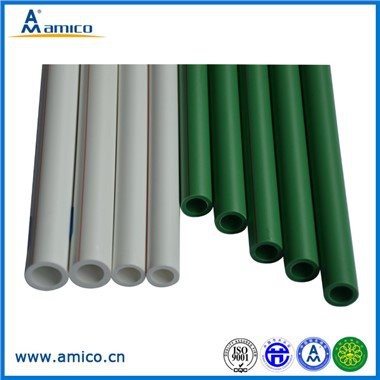


What is PPR Pipe

PPR pipes (Polypropylene Random Copolymer pipes) are a type of plastic pipe made from a blend of polypropylene and ethylene copolymers. PPR is a high-technology plastic pipe, which is modern plumbing's important solution when matched to cold galvanized pipes for all hot water systems.

Anti-bacterial PPR Pipe
Benefits of PPR Pipe


Pert Type II Pipe


01

Resistant to heat and cold

One of the reasons why PPR pipes are popular is that they are resistant to heat and cold. When you use PPR pipes, you are assured of easy installations during the cold season. Also, PPR pipes are heat resistant, thanks to their low thermal conductivity. Above all, PPR pipes can withstand the strain and pressure of hot water steam.

PB EVOH Pipe


02

Non-toxic

PPR pipes are known to be safe since it does not carry any toxic materials. Therefore, it is the best pipe to use when supplying purified water since it does not cause any pollution. What is more, the PPR pipes are suitable for the human body and the environment.

PE 80 Pipe


03

Long-lasting

When you use the PPR pipes, you will not need to think about purchasing any pipes anytime soon. The PPR pipes can withstand cold and hot temperatures and will not crack as the water is transported. You will also not have to worry about your pipes leaking.

PE-AL-PE Pipe


04

Abrasion resistance

Hard particles cause abrasion in pipes. However, when you use the PPR pipes, you will not need to worry about replacement since the hard particles do not damage the PPR pipes. The time taken to install the PPR pipes is also minimal. Moreover, it is resistant to electrolysis.


Types of PPR Pipe
PPR-AL-PPR Pipe
PPR-AL-PERT Pipe
DIN 8077/8078 PPR Pipe

PPR elbow
PPR elbow is usually used to change the direction of the pipe to adapt it to different pipe layouts. They can be used in water supply and heating systems to ensure that pipes can smoothly go around obstacles or connect to different equipment.

PPR equal diameter tee
PPR equal diameter tee is used to divert pipeline flow and is usually used when branch pipes need to be connected to the main pipe. This helps maintain balance and proper functioning of the system.

PPR reducing tee
PPR reducing tee allows the connection of pipes of different diameters and is usually used to connect smaller pipes with larger pipes to meet the flow requirements of different parts.

PPR pipe caps
PPR pipe caps are used to seal the ends of pipes to prevent water leakage or dust from entering the duct system. They can also be used for manhole covers.

PPR pipe joint
PPR pipe joint is used to connect two pipes. They are available in different types including straight connectors, female connectors and male connectors, which can be selected according to specific needs.

PPR pipe gaskets
PPR pipe gaskets are often used to ensure that pipe connections are tight and prevent water leakage. They are placed at the joint when joining two pipes, providing extra sealing.

PPR Pressure Reducing Valve
PPR pressure reducing valves are used in piping systems to help maintain proper water pressure. This is essential for pressure management in water and heating systems.

PPR valve
PPR valve is used to control the flow of flowing media. They can be divided into different types such as ball valves, gate valves, butterfly valves, etc. and are suitable for different applications such as closing, regulating or diverting.

PPR quick connector
PPR quick connector is a convenient and fast way to connect pipelines, usually used in situations where frequent disassembly and replacement of pipeline components is required.

PPR pipe supports
PPR pipe supports are used to support and secure pipes, ensuring they remain stable during installation and use. This is especially important for large piping systems.

PPR filter
PPR filter is used to prevent impurities and particles from entering the pipeline system and keep the flowing medium clean. This is essential for the proper functioning of water and heating systems.

PPR pipe clamps
PPR pipe clamps are used to connect pipes to walls or other supporting structures, ensuring that the pipes are securely installed in the desired location.


HDPE Pipe


Material of PPR Pipe

A PPR pipe is a form of plastic pipe made from a material known as polypropylene random copolymer plastic. The material is similar to that used in the manufacturing of water supply materials for household purposes, but it can be used to provide hot and cold drinking water as well as for heating systems.


Application of PPR Pipe


Plumbing and building construction
In the construction industry, PPR pipes are widely used for plumbing, including both hot and cold-water systems. Their corrosion resistance, leak-free joints, and long lifespan make them an excellent choice for residential and commercial buildings.

Industrial sector
PPR pipes are suitable for industrial applications such as chemical transportation and process piping. They can handle the transport of corrosive chemicals and high-temperature fluids.

Agriculture
PPR pipes are used in agricultural irrigation systems for the efficient distribution of water to crops. Their ability to resist the corrosive effects of fertilizers and pesticides is particularly valuable in this application.

Heating systems
PPR pipes are employed in radiant heating systems. These systems use warm water flowing through PPR pipes to provide efficient and even heating for floors and walls in homes and businesses.

Swimming pools and spa facilities
PPR pipes are an essential component in the water circulation systems of swimming pools and spa facilities, contributing to water maintenance.

Chemical and pharmaceutical industry
The corrosion-resistant properties of PPR pipes make them suitable for transporting various chemicals in the chemical and pharmaceutical sectors.

Food and beverage industry
PPR pipes are used to transport water, acids, and other fluids in food and beverage production facilities. Their non-toxic nature ensures the safety and quality of the products.


Process of PPR Pipe


The complete processing of a PPR pipe includes the following steps:
first,according to the feature of PPR tubing service performance and environment for use, select PPR resin PP Pipe Compound to meet main service requirements, select again various auxiliary agents, improve processing characteristics, improve use properties, or saving material, thereby complete the formula of PPR tubing
then by PPR pipe moulding material formula requirement, the mixing section of various raw materials and the last defeated people's high-speed mixer of auxiliary agent meter through high-speed mixing stir various blend compositions are mixed after, send into and be in harmony but mixing machine, high-temperature material is cooled under certain temperature, then input in forcing machine hopper, in hopper, raw material enters in people's extruder barrel via machine barrel opening for feed, and along with the rotation of screw rod, raw material is forced to push to machine barrel front.Because machine barrel front end has filtering net, porous plate, and the resistance of forming mould, add dwindling gradually of screw flight groove volume, raw material transport dynamic resistance is increased along with the increase of inventory, raw material be stressed increasingly, simultaneously raw material is also subject to the impact of machine barrel external heat and is squeezed in machine barrel, shear, stirring action, adds raw material and machine barrel, the phase mutual friction between raw material, raw material temperature in machine barrel is raise, finally become viscous state.Reach plasticizing completely.With screw rod rotation, molten materials equipressure. equivalent push moulded products mould, then extrude from mould mouth.Moulding PPR plastic pipe.
pipe is through cooling, and sizing, draws, and shaping pipe is pressed certain length again and cut off, then coding, and inspection warehouse-in, completes PP-R tube extrusion and produces.
waste material producing in production process can connect pulverizing in road, then defeated people in forcing machine, and virgin material blending, again extrusion moulding.


Components of PPR Pipe

Some common types of PPR fittings include elbows, couplings, tees, crosses, reducers, and adapters. Elbows are used to change the direction of the pipe, usually by 90 degrees. Couplings are used to connect two PPR pipes of the same diameter. Tees are used to split a single pipe into two or more branches.

PB Pipe


How to Maintain PPR Pipe
 
Inspection and cleaning

Regular inspection and cleaning are essential for maintaining PPR pipe fittings. Inspect the fittings periodically for any signs of damage, such as cracks, leaks, or wear. If any issues are detected, immediate action should be taken to repair or replace the affected fittings.

Cleaning the fittings is also important to remove any debris or sediment that may accumulate over time. Use a soft cloth or brush to clean the exterior surfaces of the fittings, ensuring that no foreign particles obstruct the flow of water through the system. Avoid using abrasive materials or harsh chemicals that could potentially damage the fittings.

Preventing clogs and blockages

To prevent clogs and blockages in the plumbing system, it is necessary to take preventive measures. Install appropriate filters or strainers at critical points, such as faucets or showerheads, to trap debris and prevent it from entering the fittings. Regularly clean or replace these filters to maintain their effectiveness.
Additionally, avoid disposing of substances that can cause clogs, such as grease, oil, or large solid objects, down drains or toilets. Educate users about proper waste disposal practices and encourage them to be mindful of what goes into the plumbing system.

Ensuring proper insulation

Proper insulation is crucial for PPR pipe fittings, especially in cold climates. Insulate the pipes and fittings in areas exposed to low temperatures to prevent freezing and potential damage. This can be done using foam insulation sleeves or tapes specifically designed for plumbing systems.
Regularly check the insulation for any signs of wear or damage and replace it as needed. Proper insulation not only protects the fittings but also helps maintain the efficiency of the plumbing system by preventing heat loss.

Professional maintenance

While regular inspection and cleaning can be performed by homeowners or building occupants, it is advisable to seek professional maintenance for more complex tasks. Professional plumbers can conduct thorough inspections, identify potential issues, and perform necessary repairs or replacements.
Professional maintenance should be scheduled periodically, depending on the usage and condition of the plumbing system. This ensures that any underlying problems are addressed promptly, minimizing the risk of major failures or disruptions in the system.


DIN 8077/8078 PPR Pipe


How a PPR Pipe Works

PPR pipes have low thermal conductivity as the external temperatures don’t reach the liquid inside the pipe. Due to this, these pipes minimize heat loss or heat gain during the transfer of cold and hot fluids. High-temperature resistance PPR pipes can withstand high temperatures up to 95°C, making them suitable for use in hot water supply systems.


How to Choose the Right PPR Pipe


Temperature resistance
Hot water can reach high temperatures, and your PPR pipes need to withstand this heat without compromising their structural integrity. Always check the temperature rating of the PPR pipes you are considering. High-quality PPR pipes are designed to handle hot water temperatures, typically ranging from 70°C to 95°C, ensuring a safe and consistent supply of hot water.


Pressure rating
Apart from temperature, consider the pressure rating of the PPR pipes. Hot water systems often operate under pressure, especially in multi-story buildings. Ensure that the PPR pipes for the hot water supply you choose have a sufficient pressure rating to handle the demands of your hot water supply system. Different pipe sizes may have different pressure ratings, so consult with a professional to determine the right fit for your project.


Quality and certification
Always opt for PPR pipes for hot water supply that meet international quality standards and have relevant certifications. Look for products that adhere to standards such as ISO for PPR pipes and DIN for fittings. These certifications ensure that the pipes are manufactured to rigorous quality standards, ensuring durability and safety.


Perfect fit for your plumbing needs
The size of the PPR pipes you choose should match the flow rate and demand of your hot water system. Larger-diameter pipes can handle higher flow rates, ensuring an adequate supply of hot water, especially in larger buildings or high-demand scenarios. Consult with a plumbing professional to determine the appropriate pipe size for your specific needs.


Save your money in the long run
Investing in high-quality PPR pipes may cost a bit more upfront, but it can save you money in the long run. High-quality PPR pipes are resistant to corrosion and scale buildup, ensuring a longer service life for your hot water supply system. They are also less prone to leaks and other issues that can lead to costly repairs.


Flexibility makes for easy installation
Consider the ease of installation when choosing PPR pipes for hot water supply. PPR pipes are known for their flexibility, which makes installation simpler, especially when dealing with complex layouts or tight spaces. Look for PPR pipes that are easy to cut, join, and secure, as this can save time and labour costs during installation.


Compatibility with fittings
Ensure that the PPR pipes you choose are compatible with the necessary fittings and connectors. Using PPR-specific fittings ensures a secure and leak-free connection, further enhancing the reliability of your hot water supply system.


Certifications


product-1-1
product-1-1


Our Factory

Ningbo Amico Plastic Industry Inc. located in Ningbo China, is a stock-holding enterprise, which specialized in producing pipes and fittings. With annual productivity over 10000 tons, Ningbo Amico Plastic Industry Inc. mainly produce plastic aluminum pipe, PP-R pipe, PE-RT pipe, HDPE pipe, PE-RT heating pipe series, brass adapter etc.

product-1200-1200


FAQ
 

Q: What is PPR pipe?

A: PPR stands for Polypropylene Random Copolymer, which is a type of thermoplastic pipe commonly used in residential and commercial plumbing applications.

Q: What are the advantages of PPR pipe?

A: PPR pipes offer numerous advantages such as high temperature resistance, excellent corrosion resistance, long service life, lightweight, easy installation, and low maintenance costs.

Q: What are the common uses of PPR pipe?

A: PPR pipes are commonly used for hot and cold water distribution systems, heating systems, and industrial applications.

Q: What is the operating temperature range of PPR pipe?

A: The operating temperature range of PPR pipe is typically between -10°C to 95°C.

Q: What is the pressure rating of PPR pipe?

A: PPR pipes have a pressure rating of up to 10 bar (145 psi) for hot water applications and up to 16 bar (232 psi) for cold water applications.

Q: What is the thickness of PPR pipe?

A: The thickness of PPR pipe varies depending on the diameter and pressure rating of the pipe. Generally, the thickness ranges from 2.5mm to 5mm.

Q: How do you install PPR pipe?

A: PPR pipes are installed using a special push-fit connection method that involves heating the ends of the pipes with a hot air gun to soften the material, then inserting them into fittings and allowing them to cool and form a secure bond.

Q: Can PPR pipe be joined using solvents or adhesives?

A: No, PPR pipes cannot be joined using solvents or adhesives. The push-fit connection method must be used to ensure a secure and leak-free joint.

Q: What is the lifespan of PPR pipe?

A: PPR pipes have a typical lifespan of 50 years or more when properly installed and maintained.

Q: Is PPR pipe suitable for outdoor use?

A: Yes, PPR pipe is suitable for outdoor use as it is resistant to UV radiation and weathering. However, care should be taken to protect the pipes from mechanical damage.

Q: Can PPR pipe be used for drinking water systems?

A: Yes, PPR pipe is safe for use in drinking water systems as it is free from harmful chemicals and additives.

Q: What is the minimum bend radius for PPR pipe?

A: The minimum bend radius for PPR pipe is typically 6 times the outer diameter of the pipe.

Q: Can PPR pipe be recycled?

A: Yes, PPR pipe can be recycled. It is made from a thermoplastic material that can be melted down and reformed into new products.

Q: What is the maximum length of PPR pipe that can be installed in one continuous run?

A: There is no maximum length limit for PPR pipe installation in one continuous run. However, it is recommended to install expansion loops every 30 meters or so to allow for thermal expansion and contraction.

Q: Can PPR pipe be used in high-temperature applications?

A: Yes, PPR pipe can be used in high-temperature applications such as heating systems. However, the temperature rating of the pipe must be appropriate for the application.

Q: What is the difference between PPR pipe and PVC pipe?

A: PPR pipe and PVC pipe are both types of thermoplastic pipes commonly used in plumbing applications. However, PPR pipes are made from a copolymer of propylene and ethylene, while PVC pipes are made from polyvinyl chloride. PPR pipes are generally more flexible and have a higher temperature resistance than PVC pipes.

Q: Can PPR pipe be used for compressed air systems?

A: Yes, PPR pipe can be used for compressed air systems. However, it must be specified for use in such applications and have a pressure rating appropriate for the system.

Q: Is PPR pipe fire-resistant?

A: PPR pipe is not fire-resistant. It will melt and burn when exposed to high temperatures or open flames. Therefore, it should not be used in areas where fire safety is a concern.

Q: What is the typical wall thickness of PPR pipe?

A: The typical wall thickness of PPR pipe ranges from 2.5mm to 5mm depending on the diameter and pressure rating of the pipe.

Q: Can PPR pipe be used for underground applications?

A: Yes, PPR pipe can be used for underground applications. However, it must be protected from mechanical damage and chemical corrosion. In some cases, additional bedding or backfill materials may be required to support the pipe.

As one of the leading ppr pipe manufacturers and suppliers in China, we warmly welcome you to wholesale customized ppr pipe made in China here from our factory. All our products are with high quality and competitive price.

Water pipe brass fittings, Brass Reducer Adapter, hdpe agricultural pipe

(0/10)

clearall