


PPR Ball Valve With Strainer
Long warranty The long-term warranty is designed to give consumers more confidence that their purchases and services will continue to be valid.
Company Profile
Ningbo Amico Plastic Industry Inc. located in Ningbo China, is a stock-holding enterprise, which specialized in producing pipes and fittings. With annual productivity over 10000 tons, Ningbo Amico Plastic Industry Inc. mainly produce plastic aluminum pipe, PP-R pipe, PE-RT pipe, HDPE pipe, PE-RT heating pipe series, brass adapter etc. Amico been awarded the title of Name-brand frequently and acquired ISO9001 and ISO14001 certificate. As early as 2004, Amico plastic aluminum pipe and PP-R pipe were titled as "Chinese best seller brand" Amico pipes and fittings enjoy high praise from home and abroad. So far, the company domestic sale network spreads more than 20 provinces. Meanwhile, the products are popular in various countries, such as Russia, the Phillipines, Chile, Indonesia etc.
Why choose us
High quality
Our products are manufactured or executed to very high standards, using the finest materials and manufacturing processes.
Professional team
Our professional team collaborate and communicate effectively with one another, and are committed to delivering high-quality results. They are capable of handling complex challenges and projects that require their specialized expertise and experience.
Long warranty
The long-term warranty is designed to give consumers more confidence that their purchases and services will continue to be valid.
Rich experience
Dedicated to strict quality control and attentive customer service, our experienced staff is always available to discuss your requirements and ensure complete customer satisfaction.

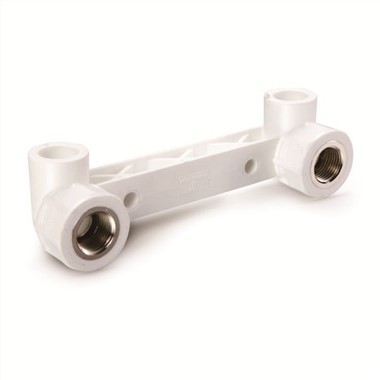


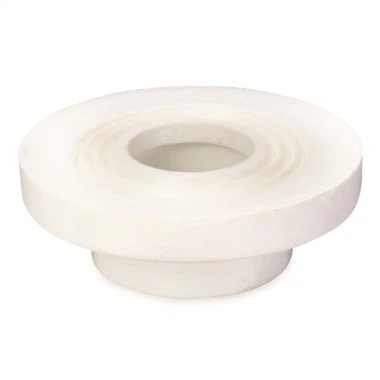


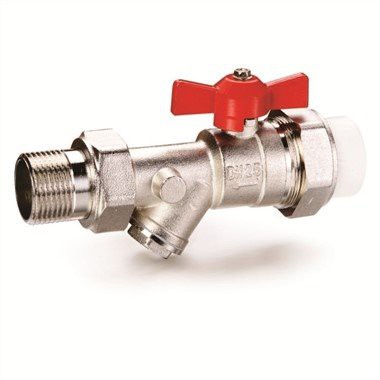

What is PPR Ball Valve With Strainer
PPR ball valve with strainer are an essential component of plumbing systems in households, commercial buildings, and various other industries. These valves play a crucial role in regulating the flow of fluids, gases, and other substances to ensure the proper functioning of the plumbing systems .
Benefits of PPR Ball Valve With Strainer
Fluent
The main benefit of using PPR ball valve with strainer is that they offer a smooth and obstruction-free flow of fluid, meaning that there is no blockage, corrosion, or contamination during operation. This not only ensures the efficient functioning of the plumbing system but also reduces maintenance costs.
Easy to install and operate
Another significant advantage of using PPR ball valve with strainer is that they are easy to install and operate. These valves come with a compact design and high precision, making them suitable for tight and complex installation spaces. Additionally, they have a simple on/off mechanism that can be operated with a single lever or handwheel.
High adaptability
PPR ball valve with strainer are also highly adaptable to different plumbing systems and applications. They are available in a variety of sizes, pressure ratings, and temperature ranges, making them suitable for use in industrial applications such as chemical processing, water treatment, and petrochemicals.
Customizability
PPR ball valve with strainer are also highly customizable, allowing for easy incorporation into any plumbing system design. They can be configured to meet the unique requirements of specific systems and industries, ensuring maximum efficiency and performance.
Floating ball valves
Floating ball valves are one of the most common types of ball valves used in industrial applications. These valves have a simple design in which the ball is suspended in the valve body by two valve seats, one at the upstream end and the other at the downstream end. The rotary ball itself's movement is controlled by a stem that connects it to the actuator. When the valve is open, the ball rotates to allow fluid or gas to flow through the valve. When the valve is closed, the ball rotates 90 degrees, blocking the flow.
Trunnion mounted ball valves
Trunnion Mounted Ball Valves are a type of ball valve that uses additional mechanical anchoring at the ball's top and bottom to ensure it is held securely within the valve body. These valves have a fixed ball design, where the ball is not suspended in the valve body like the floating ball valve but rather held in place by the trunnion. Trunnion mounted ball valves are designed to handle high pressure and high flow rates and are suitable for use in challenging applications such as the oil and gas industry.
V-port ball valves
V-Port ball valves are a type of ball valve that is designed to provide a more precise flow control compared to other types of ball valves. In V-Port ball valves, the ball has a V-shaped notch, which allows for accurate flow control by providing variable flow areas that can be easily adjusted to meet application requirements. V-Port ball valves are suitable for use in a wide range of applications that require precise control, such as in the chemical, petrochemical, and oil and gas industries.
Cavity filled ball valves
Cavity Filled Ball Valves are designed to prevent fluid from becoming trapped inside the ball valve cavity, which can lead to issues like corrosion, contamination, and damage to the valve body. In these types of ball valves, the space between the ball and the valve body is filled with a cavity filling material, such as PTFE, to prevent buildup of fluid in the valve cavity. Corrosion-resistant materials are typically used to construct the two pieces or three pieces ball valve and body to ensure that the ball valve can withstand harsh chemicals and high temperatures.
Purpose of PPR Ball Valve With Strainer
The purpose of a PPR ball valve with strainer is to regulate the flow of fluid or gas through a pipe or tubing system. It works by rotating a ball that has a hole or port in the middle, which either allows or blocks the flow of fluid or gas. Ball valves are commonly used in a wide range of industrial applications due to their high precision flow control and shut-off, low maintenance, and high durability. They are preferred in many applications due to their ability to quickly open and close, making them useful in emergency shut-off situations. Because of their design, they do not become clogged easily and can handle high temperatures and pressures. The specific use of the PPR ball valve with strainer will depend on the industry and application, but is often used in industries such as oil and gas, chemical processing, water and wastewater management, and many others. The purpose of a PPR ball valve with strainer is to provide efficient and precise fluid flow, control, shut-off, and regulation in various industrial settings.
What Does A PPR Ball Valve With Strainer Look Like
The PPR ball valve with strainer is designed with a closing mechanism that moves along the center line of the valve seat. As a result, the valve seat port changes proportionally with the valve disc travel. This makes it ideal for applications where precision cutoff or regulation is required. The valve stem has a relatively short opening and closing stroke, which ensures that the valve can be quickly and reliably shut off. With its efficient operation and dependable performance, this type of valve is the perfect solution for throttling and regulating.
How PPR Ball Valve With Strainer Works
When the valve is open, the ball is rotated by an actuator, which is typically a manual handle or electric/pneumatic system, and allows the fluid or gas to pass through. As the ball is rotated, the hole or port aligns with the inlet and outlet ports in the valve body, allowing the fluid or gas to flow freely. When the valve is closed, the ball is rotated back into a position that blocks the flow of fluid or gas. This is achieved by rotating the ball 90 degrees away from the inlet and outlet ports, which closes off the flow of the fluid or gas.
Water supply systems
They are commonly used in water supply systems, allowing for the efficient control of water flow. They are instrumental in opening and closing the water supply to various parts of a building, such as sinks, toilets, and appliances.
Heating systems
They find application in heating systems, enabling the regulation of hot water flow to radiators, underfloor heating systems, or any other heat distribution units. Their heat resistance is a key asset in these applications.
Irrigation systems
These valves are utilized in irrigation systems to manage the flow of water in agricultural and landscaping contexts. They offer precise control, making them suitable for adjusting water distribution to different areas.
Industrial usage
In industrial settings, they play a significant role. They are used in various processes to control the flow of chemicals, fluids, and other materials. Their corrosion-resistant properties are especially beneficial in such applications.
Considerations When Using PPR Ball Valve With Strainer

Size and compatibility
Ensure that the size of the ball valve matches the size of the pipes it connects to. Proper compatibility is essential for effective operation.

Regular maintenance
While PPR is low maintenance, periodic checks and lubrication of the valve's components may be necessary to prevent issues like stiffness or leaks.

Pressure and temperature
Consider the pressure and temperature requirements of your plumbing system when selecting them. Ensure that the chosen valves can withstand the specific conditions they will be exposed to.

Application-specific features
Depending on the application, specific features like handle types, port configurations, or reinforced designs might be necessary. Choose ball valves that suit the precise needs of your plumbing system.
Importance of PPR Ball Valve With Strainer in Plumbing Systems
PPR ball valve with strainer play a crucial role in plumbing systems, ensuring that the water supply is safe, efficient, and reliable. PPR ball valve with strainer are essential components, which are present in every plumbing system. These valves are used for controlling the flow of water, making sure that the water pressure is correct and water is distributed through the pipelines without any leaks.
One of the key benefits of PPR ball valve with strainer is that they help prevent backflow. Backflow refers to the reversal of the direction of water flow in a plumbing system. Backflow can occur when the pressure in the system changes, either due to a decrease in water pressure, or when there is a loss of pressure in the municipal water supply. If backflow occurs, contaminated water can end up flowing back into the water supply, putting the health and safety of people at risk. PPR ball valve with strainer prevent backflow by automatically closing the valve in case of a sudden drop in water pressure.
Another important function of PPR ball valve with strainer is to regulate water flow. These valves ensure that the water pressure remains consistent, even if there are fluctuations in the supply. They also help regulate the water temperature, making sure that hot water does not scald users or cold water does not cause discomfort.
PPR ball valve with strainer also contribute to water conservation by reducing water wastage. The valves prevent leaks and ensure that there is no unnecessary use of water. PPR ball valve with strainer are typically made from durable materials, ensuring their longevity and efficiency.
PPR ball valve with strainer are essential components in plumbing systems, ensuring that the water supply is safe and efficient. They help prevent backflow, regulate water flow, and conserve water, making them crucial for both commercial and residential plumbing systems. With the right PPR ball valve with strainer, plumbing systems can function effectively and efficiently, providing clean and safe water for all.
How to Maintain PPR Ball Valve With Strainer
Regular cleanings
It is important to keep PPR ball valve with strainer clean to extend their lifespan. It is recommended to clean them at least once a year, or more frequently if the environment is particularly filled with dust or dirt. Use a soft towel to wipe off oil, dust, or dirt from the casing. Use a wire brush to clear any buildup on the valve stem or other components. Use cleaning agents compatible with the valve materials, such as alcohol- or water-based cleaners for non-metal parts and compressed air or gas-based cleaners for metal components.
Valve lubrication
PPR ball valve with strainer lubrication is essential to prevent abrasion and ensure smooth operation of the valve parts. Select a lubricant that is suitable for the valve materials and system media, such as water-insoluble, synthetic, or oil-based lubricants. However, it is crucial to avoid solid- or clay-based lubricants as they can accumulate inside the valve cavity.
Routine inspections
Check for regular wear and tear by checking the valve's seats, seals, and stem for any signs of corrosion, leaks, or damage. Increase the frequency of inspections for high-pressure and high-cycle applications.
Regular testing
Regular testing, like pressure testing (filling the valve body with a testing fluid and applying pressure for a specified length of time to check if it leaks) is essential to ensure that the ball valve is functioning correctly.
Storage
Store the PPR ball valve with strainer in a dry, well-ventilated area away from direct sunlight and extreme temperatures. Ideally, the temperature of the storage area should be between 0°C (32°F) and 49°C (120°F). If possible, store the valve in its original packaging or in a protective container to prevent any damage during transport or storage.
Certifications


Ningbo Amico Plastic Industry Inc. located in Ningbo China, is a stock-holding enterprise, which specialized in producing pipes and fittings. With annual productivity over 10000 tons, Ningbo Amico Plastic Industry Inc. mainly produce plastic aluminum pipe, PP-R pipe, PE-RT pipe, HDPE pipe, PE-RT heating pipe series, brass adapter etc.

FAQ
Hot Tags: ppr ball valve with strainer, China ppr ball valve with strainer manufacturers, suppliers, factory, Brass female socket, Brass Compression Fittings, ppr pipe production line, Brass Compression Fittings for Polyethylene Pipe, pe gas pipe, High Density Polyethylene Pipe for Well Drilling



Send Inquiry
