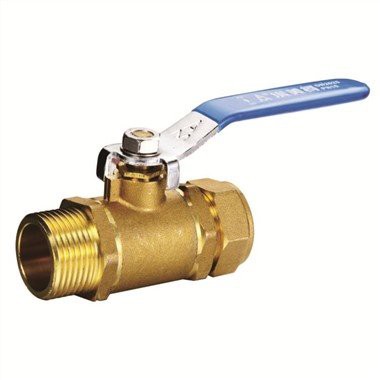
Brass Fitting

Why Choose Us

High quality

All of our pipe is capable of being ultrasonic tested providing you with less downtime and cost savings VS.

Innovation

We are dedicated to improving our systems continually, ensuring that the technology we offer is always cutting edge.

Competitive price

We have professional sourcing team and cost accounting team, stive to reduce cost and profit and provide you a good price.

24H online service

Our customer support team is available 24/7 to answer any questions or concerns you may have.


What is a Brass Fitting


Brass fittings are a type of plumbing fixture that is made out of brass, a type of metal. Brass fittings are used to connect two pieces of plumbing together. There are many different types of brass fittings, including brass couplings, elbows, brass tees, and caps.

Benefits of Brass Fitting
DIN 8077/8078 PPR Pipe
PPR-AL-PERT Pipe
PE-AL-PE Pipe

1.Wide versatility
Because brass is used for so many different purposes, you can get the fittings you need in a side range of shapes, widths and sizes, with fittings available that allow you to alter pipe size. When you're working with an project that has very strict specifications, brass delivers. It also enhances the efficiency of your water delivery lines into your home.

2.Durability
Because of its many other working properties, brass is a metal that is highly durable. When a plumbing system needs a long service life, brass fittings are an excellent choice as they remain in great condition for years without cracking or disintegrating. It also provides the best possible performance in hot water supply lines.

3.Tolerance of high temperatures
Brass is the best fitting material for hot water distribution systems, as they provide exceptional conductivity of temperature and improve hot water distribution system efficiency. Brass is very ductile in high temperatures, and can withstand much higher temperatures than other options, to the point of being among the only surviving items in a serious house fire.

4.Resistance to corrosion
Other metal fittings can have serious corrosion issues, but brass is second to none in terms of corrosion resistance. Corrosion and rust can cause serious wear and tear on metal fittings, so a corrosion-free metal is the best option in these situations.

5.Very malleable
When it comes to fittings that will require bending or shaping, brass provides great malleability, making it easier to alter than steel or iron pipe. It also molds better than most materials on the market.


Types of Brass Fitting

Female Compression Adapter

Brass elbow fittings

Brass elbow fittings are curved. They change the flow direction of liquid across a pipeline. Elbow fittings are present in different sizes and materials. Yet, brass elbows are the most trusted ones. Elbows are widely used and are required in practically every plumbing system. Two types of elbows are used: 45° bend and 90° bend.

Male Compression Reducing Tee

Brass adapters

Brass Adapters modify the threaded shape of a pipe’s plane ends. Materials with bendable qualities can be used to make threads. There are two ends to brass adapters. One is threaded, while the other is unthreaded.

Compression Reducing Elbow

Brass reducers

Brass Reducers come in two types: eccentric and concentric. There is a slight distinction between them. Because of their cone-shaped construction, concentric reducers may have an air batch. On the other hand, the eccentric reducer has a parallel edge to the connecting pipe that prevents air from getting stuck.

Female Union Ball Valve

Brass unions

A brass union and coupling in function. The pipe is held in place by a nut in the center of the union. has a detachable structure. A coupler is not detachable when it is fixed. A union has male and female threads present in it.

Heat Adapter

Brass plugs

Brass plugs seal the end of pipelines. The seal may be temporary or permanent. Usually, we use a plug when we need to repair a specific portion of the pipe. During inspection or repair, the plug stops the flow from the supply line. A plug has male threads.

Male Union Ball Valve

Brass sleeves

Brass sleeves are popularly used to join two pipelines or tubing. A brass sleeve has three parts: a compression ring, a nut, and a fitting body. These are compression fittings. They are ideal to join two fittings of different materials.

5 Way Manifold


Material of Brass Fitting

Brass:Brass fittings are made of brass, a metal alloy primarily composed of copper and zinc. However, there are different types of brass fittings depending on the composition of the alloy. Some types of brass fittings may contain other metals such as lead or aluminum for specific properties or applications. Additionally, brass fittings may also be coated with other materials for added protection or aesthetic purposes.


Application of Brass Fitting
 
1. On/Off valves

An on/off valve is a brass fitting that is used to turn the water flow on and off. This fitting is often found near the water meter or at the entrance of the house where the main water line enters. It is important to have an on/off valve in these locations to be able to easily shut off the water when needed.

2. Water supply lines

A water supply line is a brass fitting that transports potable water from the main water source to the various fixtures in the home, such as sinks, toilets, and bathtubs. These lines are typically made out of copper but can also be made out of plastic or brass. The fittings used for connecting these lines together are called couplings, unions, and brass adapters.

3. Drain pipes

A drain pipe is a plumbing fixture that is used to remove wastewater from the home. This wastewater is often discharged into a sewer or septic system. The drain pipe itself is typically made out of plastic, but the fittings that connect it to the other plumbing fixtures are often made out of brass.

4. Water pump connections

A water pump is a device that is used to move water from one location to another. This pump is often found in the basement or crawlspace of a home and is used to supply water to the upper floors. The connections between the water pump and the other plumbing fixtures are typically made out of brass.

5. Relief valves for pressure reduction

A relief valve is a brass fitting that is used to relieve pressure in the plumbing system. This valve is often found on hot water tanks, boilers, and dishwashers. When the pressure in the system gets too high, the relief valve will open and release water to reduce the pressure.

Process of Brass Fitting
 

Extruded brass


With the extrusion method it is possible to draw brass rods into customized shapes according to the desired tolerance of the fitting. This is an effective way of avoiding pin holes, sand holes and splits. It is after the extrusion process that the brass fittings can now be machined to make a perfect piece. This one piece finished part is solid in nature and does not contain seams or brazed joints.

productcate-600-300

Forged brass


As with the extruded brass fittings, the kinds of fittings made from forged brass are made using the same method but contain a different temper and combination of chemicals. The process begins with cutting the brass bars to the length of the fitting being made. It is then heated to achieve permeability and then pressed in between dies at high pressure. Cooling then follows after which the flash is trimmed and machining of the forging blank done to finish the fitting.

productcate-600-300


How to maintain Brass Fitting
 

1.Routine inspection and cleaning schedule:
Regular inspection of brass fittings is the first step in their maintenance. Visual examination for signs of tarnishing, corrosion, or damage should be conducted periodically. Establishing a routine cleaning schedule based on the environmental conditions and usage frequency is crucial. For indoor applications, a semi-annual cleaning schedule may suffice, while outdoor or industrial settings might require more frequent inspection and cleaning.


2.Gentle cleaning techniques:
When cleaning brass fittings, it's important to use gentle techniques to avoid damaging the surface or altering the fittings' dimensions. Start by dusting off any loose dirt or debris with a soft, dry cloth. For light tarnish, a mixture of mild soap and warm water can be used to gently wipe the fittings. Avoid using abrasive cleaners or harsh chemicals, as they can scratch the surface or cause discoloration.


3.Removal of stubborn tarnish and corrosion:
In cases where brass fittings exhibit stubborn tarnish or corrosion, a more thorough cleaning approach may be required. A paste made of equal parts of vinegar, salt, and flour can be applied to the affected areas and left for a short period before rinsing and drying. Alternatively, commercial brass polishes specifically designed for removing tarnish can be utilized. After cleaning, ensure all residues are thoroughly removed, and the fittings are dried completely to prevent water spots.


4.Application of protective coating:
Applying a protective coating after cleaning can help maintain the luster and protect brass fittings from tarnishing and corrosion. A thin layer of high-quality brass polish or clear lacquer can be carefully applied using a soft cloth. Ensure that the fittings are completely dry before applying the protective coating to prevent trapping moisture, which can lead to corrosion. The protective coating acts as a barrier against environmental factors, preserving the fittings' appearance and integrity over time.


5.Preventative measures and storage:
Preventative measures can significantly contribute to the maintenance of brass fittings. Avoid exposure to harsh chemicals, acidic substances, and prolonged contact with moisture. When handling brass fittings, use gloves to prevent the transfer of oils and acids from the skin, which can accelerate tarnishing. Proper storage in a dry, well-ventilated area away from direct sunlight and extreme temperature fluctuations is essential to prevent deterioration when the fittings are not in use.


Why do plumbers use brass
1

Reason 1

Another reason why plumbers use brass is its excellent malleability. Brass is relatively easy to work with, allowing plumbers to shape and form it into various fittings and components without much difficulty. This saves time and effort during installation and repairs, making brass a preferred choice for plumbers.

2

Reason 2

Brass has a high melting point and is non-sparking, making it a safe material to use in plumbing systems. Plumbers often work in environments where flammable gases or liquids are present. Using brass fittings and valves ensures that there is no risk of sparks igniting any flammable substances, reducing the likelihood of accidents.

3

Reason 3

Brass has good heat conductivity, making it suitable for hot water plumbing systems. It can efficiently transfer heat without compromising the integrity of the pipes or fittings. This is essential for maintaining consistent water temperatures and preventing any damage to the plumbing system.

4

Reason 4

Brass is aesthetically pleasing. The golden color of brass gives a traditional and elegant look to plumbing fixtures, adding a touch of sophistication to bathrooms and kitchens. This visual appeal makes brass a popular choice among homeowners and builders alike.


Daily Inspection Checklist for Brass Fitting
 

1. Visual Inspection

  • Look for any signs of leaks around the fittings. Check for dampness, water stains, or drips.
  • Examine the condition of the fittings for any visible cracks, corrosion, or damage.
  • Ensure that all fittings are tightly secured and properly aligned.

2. Pressure Check

  • Conduct a pressure test by turning on the water supply and observing the fittings for any sudden pressure drops or fluctuations.
  • Monitor the water pressure gauge to ensure it remains within the recommended range.

3. Flow Rate Inspection

  • Check the flow rate of water through the fittings. Any significant decrease in flow rate may indicate a clog or a problem with the fitting.
  • Pay attention to any unusual noises or vibrations during water flow, as they may indicate potential issues with the fittings.
Anti-bacterial PPR Pipe

04

Valve Operation

  • Test the operation of any valves connected to the brass fittings. Ensure they open and close smoothly without any resistance or leaks.
  • Check for proper alignment of the valve handle and verify that it is in the correct position (open/closed) as desired.

05

Seal Inspection

  • Inspect the sealing elements, such as O-rings, gaskets, or washers, for signs of wear, deterioration, or leakage.
  • Replace any damaged or worn-out sealing components promptly to maintain proper sealing integrity.

06

Cleanliness Check

  • Keep the area around the brass fittings clean and free from debris or obstructions.
  • Regularly remove any accumulated dirt, dust, or foreign particles from the fittings.

07

Documentation

  • Maintain accurate records of daily inspections, including any identified issues or maintenance actions taken.
  • Note any abnormal observations or recurring problems that require further investigation or professional assistance.


The Considerations for Buying Brass Fitting


Size and Type: Brass fittings come in a variety of sizes and types, including elbows, tees, couplings, adapters, and more. It is crucial to identify the specific size and type you need for your application. Consider factors such as the pipe diameter and the angle required for proper fitting. Ensuring the right size and type will prevent leakages and ensure optimal functionality.

Material Quality: Brass fittings are made from an alloy of copper and zinc, but the quality of the alloy can vary. It is important to choose fittings made from high-quality brass to ensure long-lasting performance. Inferior quality brass may lead to leaks, cracks, or early degradation, ultimately costing you more in repairs or replacements in the long run.

Pressure Rating: Different applications require brass fittings with varying pressure ratings. It is crucial to know the maximum pressure your fittings will be subjected to and choose fittings that can withstand those levels. Failure to consider pressure ratings could result in damaged fittings, loss of functionality, and potential safety hazards.

Compatibility: Brass fittings may need to be connected to other materials such as copper, PVC, or steel pipes. Therefore, it is essential to ensure compatibility between the materials. Consider factors such as thread type and size, as well as the material properties of the pipes. Using incompatible materials can lead to leakages or cause damage to the fittings and pipes.

Certification and Standards: Look for brass fittings that meet industry standards and certifications. These certifications ensure that the fittings have been tested and verified for quality and safety. Common certifications to look out for include ISO, ASTM, ANSI, and NSF. Additionally, adhering to specific standards ensures interchangeability and compatibility with other components in the system.

Application and Environment: Consider the specific application and environmental conditions where the brass fittings will be used. Factors such as temperature, pressure, chemicals, and exposure to corrosive elements can impact the performance and lifespan of the fittings. Choose fittings that are specifically designed to withstand the conditions they will be exposed to.

Cost and Warranty: While it can be tempting to go for the cheapest option, it is essential to balance cost with quality. It is recommended to compare prices from different suppliers and consider the reputation and reliability of the manufacturer. Additionally, look for brass fittings that come with a warranty, as it provides assurance of the product's quality and durability.


Certifications


productcate-800-541
productcate-800-549


Our Factory

With annual productivity over 10000 tons, China Amico Plastic Industry Inc. mainly produce plastic aluminum pipe, PP-R pipe, PE-RT pipe, HDPE pipe, PE-RT heating pipe series, brass adapter etc. Amico been awarded the title of Name-brand frequently and acquired ISO9001 and ISO14001 certificate. As early as 2004, Amico plastic aluminum pipe and PP-R pipe were titled as "Chinese best seller brand" Amico pipes and fittings enjoy high praise from home and abroad. So far, the company domestic sale network spreads more than 20 provinces. Meanwhile, the products are popular in various countries, such as Russia, the Phillipines, Chile, Indonesia etc.

productcate-675-506


Frequently Asked Questions Aluminum Plastic Composite pipe
 

Q: What are the 3 basic types of brass fittings?

A: Fitting type: elbow, nipple, reducer or tee Different types of fittings are used for different purposes. Elbows are used to change direction. Nipples are used to join two male pipes or fittings of the same size. Straight couplers are used to join two female pipes or fittings of the same size.

Q: When not to use brass fittings?

A: It is true that in areas where water is less acidic, brass fitting is better. But in areas where water is acidic or easily contaminated, plastic fittings are better. Hot soils effect brass fitting as they tend to corrode easily. When they corrode it starts wearing away, it can cause failure at any time.

Q: How many PSI are brass fittings good for?

A: 3000 psi
Most brass fittings are well suited for temperatures ranging from -325° to 400°F (-198° to 204°C) and, depending on the size and style of the fitting, can withstand pressures up to 3000 psi. However, many applications of larger sizes are rated for lower pressures.

Q: What does LF mean on a brass fitting?

A: All parts with the “LF” option have less than 0.25% lead and meet the definition of lead-free in section 1417 of the Safe Drinking Water Act. “LF” parts are made with brass alloy C27450 and are NSF®/ANSI 61 certified.

Q: What happens if you over tighten brass fittings?

A: If you tighten the fittings too much, you may strip the threads inside the fitting or on the outside of the pipe. As with any household screw, once the threads are stripped it's nearly impossible to get the fitting to tighten on the pipe.

Q: Is it OK to mix brass and copper fittings?

A: Yes they can and the main reason is there no bimetallic reaction between the two metal. Because Brass, in fact, is about 66% copper. Bimetallic reactions are created when you have dissimilar metals, one of which has a high iron content.

Q: How do you make brass fittings watertight?

A: Better dope, or teflon tape and dope which is what I like to do. Three smooth wraps of Teflon and then a good dope. Then it won't leak. God I like dope.

Q: Can you run water through brass fittings?

A: The simple answer to this question is yes. Brass fittings are one of the most commonly used fittings for water lines. This is due to the unique features that make it ideal for a variety of uses, plumbing being at the top of the list.

Q: Is it OK to bury brass fittings?

A: It will not corrode when it is in contact with soil or water. However, Brass fittings are non-ferrous metals, which means that they cannot be electroplated. When buried, these fittings will rust and corrode over time.

Q: Can I connect stainless steel to brass?

A: Stainless steel and brass pipes and fittings can be connected together, but it is not recommended to use them in direct contact with each other. This is because stainless steel and brass have different galvanic potentials, which can cause a reaction when they are in direct contact with each other.

Q: Why do brass fittings turn green?

A: The green layer you see is called tarnish and forms when brass is exposed to the carbon and sulfur dioxides in the air. It's basically a thin layer of corrosion that forms and it can only be eliminated with a thorough cleaning which requires you to remove some of the surface and patina of the piece.

Q: What is the difference between red brass and yellow brass fittings?

A: Red brass has a much higher copper content than yellow brass with upwards of 85% copper. There are so many alloys of brass but without nitpicking to much if there is <60% copper it is yellow brass. Bronze is another copper alloy but with tin and it may also include other metals and non-metals too.

Q: Can brass be submerged in water?

A: Overall, brass loses its zinc component relatively quickly when submerged in water, causing the metal to weaken and putting its structural integrity at risk. Outside of situations where it's submerged in water, brass is a great metal for outdoor applications due to its amazing endurance

Q: How far to tighten a compression fitting?

A: How compression fittings work Its often said in the trade to not over tighten a compression fitting, leaving you more thread in the case of a leak and not distorting the olive or fitting. Generally a nut will need one whole turn after hand tightening. Often people wrap PTFE round a compression fitting olive to make sure of a water tight seal.

Q: How do you protect brass fittings?

A: Stop brass from fading and tarnishing with an coating to seal out oxidation and keep the brass color shining bright. Everbrite coatings will do the following for your brass: Our coatings will seal and protect brass to prevent tarnish oxidation and patina for years.

Q: Can brass fittings corrode?

A: High Resistance to Corrosion: Metal fittings can undergo significant wear and tear due to corrosion and rust. Brass is known to have excellent resistance to corrosion and this makes it ideal for use in pipe fittings.

Q: Can brass touch galvanized?

A: If an installation requires contact between galvanized materials and copper or brass in a moist or humid environment, rapid corrosion of the zinc may occur. Even runoff water from copper or brass surfaces can contain enough dissolved copper to cause rapid corrosion.

Q: What is the best sealant for brass fittings?

A: Non-Hardening Sealants with Lubricating PTFE>br> These non-hardening pipe thread sealants include PTFE (polytetrafluoroethylene) which provides extra lubrication to ease connecting and disconnecting of pipe and fittings.

Q: Why do plumbers use brass?

A: Brass is known to have excellent resistance to corrosion and this makes it ideal for use in pipe fittings. The non-corrosive properties of brass pipe fittings are the reason why they are preferred in areas with high corrosive water properties. High-Temperature Tolerance: Brass has a good conductivity of temperature.

Q: Why does brass get black spots?

A: Mainly, brass discoloration occurs because of the salt present in the air. However, sometimes it also happens due to improper cleaning or handling of the item. This condition of active corrosion is further heightened by high humidity, grime, and dust as they hold moisture onto the surface of the brass.

As one of the leading brass fitting manufacturers and suppliers in China, we warmly welcome you to wholesale customized brass fitting made in China here from our factory. All our products are with high quality and competitive price.

ppr internal thread tee, ppr elbow 45 degrees, Brass compression fittings for plastic pipe

(0/10)

clearall