


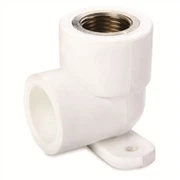
PPR 90° Elbow
High quality Our products are manufactured or executed to very high standards, using the finest materials and manufacturing processes.
Company Profile
Ningbo Amico Plastic Industry Inc. located in Ningbo China, is a stock-holding enterprise, which specialized in producing pipes and fittings. With annual productivity over 10000 tons, Ningbo Amico Plastic Industry Inc. mainly produce plastic aluminum pipe, PP-R pipe, PE-RT pipe, HDPE pipe, PE-RT heating pipe series, brass adapter etc. Amico been awarded the title of Name-brand frequently and acquired ISO9001 and ISO14001 certificate. As early as 2004, Amico plastic aluminum pipe and PP-R pipe were titled as "Chinese best seller brand" Amico pipes and fittings enjoy high praise from home and abroad. So far, the company domestic sale network spreads more than 20 provinces. Meanwhile, the products are popular in various countries, such as Russia, the Phillipines, Chile, Indonesia etc.
Why choose us
High quality
Our products are manufactured or executed to very high standards, using the finest materials and manufacturing processes.
Professional team
Our professional team collaborate and communicate effectively with one another, and are committed to delivering high-quality results. They are capable of handling complex challenges and projects that require their specialized expertise and experience.
Long warranty
The long-term warranty is designed to give consumers more confidence that their purchases and services will continue to be valid.
Rich experience
Dedicated to strict quality control and attentive customer service, our experienced staff is always available to discuss your requirements and ensure complete customer satisfaction.

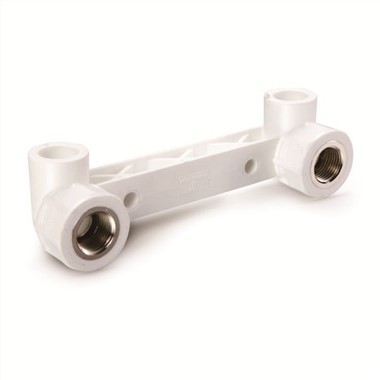


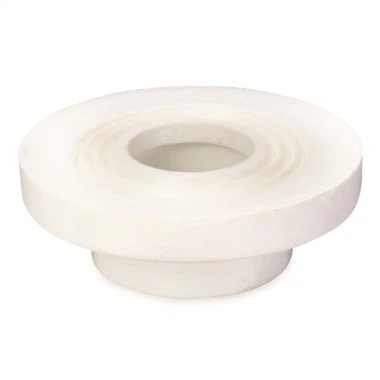


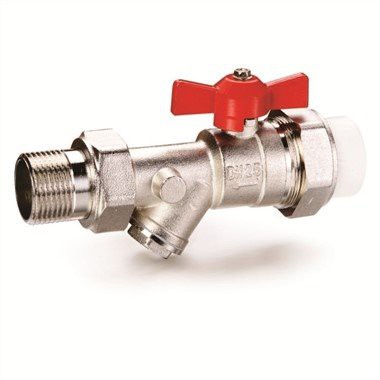


The PPR 90° elbow degree is a commonly used connection pipe fitting in plumbing installation, used for the connection of the pipe bend, and used to change the direction of the pipe. Although the PPR elbow 90 degree is only a small accessory, it plays a very important role in the piping system. If the quality of the PPR 90° elbow degree is too low and it is frequently damaged, it will not only greatly increase the maintenance cost, but also cause losses due to the shutdown of the entire pipeline system.
1.Light weight
The density is 0.90g/cm3 at 20°C, and the weight is only one-ninth of steel pipes and one-tenth of copper pipes. It is light in weight and greatly reduces the construction strength.
2.Good heat resistance
The instantaneous use temperature is 95°C, and in long-term use, the temperature can reach 75°C. It is the most ideal indoor hot and cold water pipeline.
3.The pipe connection is firm
With good hot-melt performance, the hot-melt connection connects pipes and fittings of the same material into a perfect whole, eliminating the hidden danger of water leakage.

04
Corrosion resistance
Non-polar materials have no chemical effect on all ions in the water and chemical substances in buildings, and will not rust and corrode.
05
Low thermal conductivity
It has good thermal insulation performance and generally does not require additional thermal insulation materials when used in hot water systems.
06
Pipeline resistance is small
The smooth inner wall of the pipeline makes the resistance along the way smaller than that of the metal pipeline, and the energy consumption is lower.
07
Hygienic, non-toxic
There is no pollution to the environment during production, construction and use, and it is a green building material.

90-degree PPR elbow
This type of elbow is used to redirect the flow of materials by 90 degrees. It is commonly used in plumbing and heating systems.
45-degree PPR elbow
This type of elbow is used to redirect the flow of materials by 45 degrees. It is commonly used in irrigation systems.
PPR 90° elbow (Polypropylene Random Copolymer elbow) are a type of plastic pipe made from a blend of polypropylene and ethylene copolymers. PPR is a high-technology plastic pipe, which is modern plumbing's important solution when matched to cold galvanized pipes for all hot water systems.

Application of PPR 90° Elbow
Chemical processing plants
Chemical processing plants often deal with corrosive and aggressive chemicals. PPR 90° elbow fittings are widely used in these environments due to their excellent chemical resistance. They ensure the safe transportation of chemicals by connecting pipes and preventing leaks or contamination. PPR 90° elbow fittings maintain the integrity of the chemical processing system, contributing to efficient and reliable operations.
Manufacturing and production facilities
In manufacturing and production facilities, PPR 90° elbow fittings are used to connect pipes that transport various fluids, including water, oils, lubricants, and cooling agents. These fittings provide secure connections, ensuring a continuous flow of fluids and minimizing the risk of leaks or interruptions in production. PPR 90° elbow fittings' resistance to corrosion and high temperatures makes them suitable for demanding industrial processes.
Petrochemical industry
The petrochemical industry involves the processing of petroleum and natural gas into various products. PPR 90° elbow fittings find extensive use in this industry, where they are employed in pipelines and equipment for the transportation of gases, liquids, and byproducts. Their ability to withstand high pressures and temperatures makes them vital components for maintaining the efficiency and safety of petrochemical operations.
Power plants
PPR 90° elbow fittings are crucial components in power plants, including thermal power plants, nuclear power plants, and renewable energy facilities. They are used to connect pipes for the transportation of water, steam, and other fluids within the power generation systems. PPR 90° elbow fittings' resistance to high temperatures and pressure ensures the safe and efficient operation of power plants, contributing to reliable electricity generation.
Food and beverage processing
In the food and beverage processing industry, hygiene and product safety are paramount. PPR 90° elbow fittings are widely used in processing plants, breweries, dairies, and other facilities for the transportation of potable water, beverages, and liquid ingredients. These fittings comply with food safety regulations, ensuring the integrity of the production process and maintaining the quality of the final products.
Pharmaceutical industry
The pharmaceutical industry requires strict adherence to hygiene standards and regulatory requirements. PPR 90° elbow fittings are used in pharmaceutical manufacturing facilities to connect pipes for the transportation of purified water, chemicals, and other fluids. These fittings offer excellent chemical resistance and prevent contamination, ensuring the purity and integrity of pharmaceutical products.
Waste management and treatment
PPR 90° elbow fittings play a vital role in waste management and treatment facilities. They are used to connect pipes for the transportation of wastewater, sewage, and other waste materials. PPR 90° elbow fittings' resistance to chemicals and corrosion ensures the durability and reliability of the waste management system. They contribute to effective waste treatment processes and environmental protection.
Mining operations
In mining operations, PPR 90° elbow fittings are used in piping systems that transport water, slurry, and chemicals required for mining processes. These fittings can withstand harsh mining conditions, including high pressures, abrasive materials, and corrosive substances. PPR 90° elbow fittings ensure the efficient and reliable supply of fluids, contributing to uninterrupted mining operations.
Automotive and machinery
PPR 90° elbow fittings find applications in automotive manufacturing plants and machinery industries. They are used to connect pipes for cooling systems, lubrication systems, and hydraulic systems. PPR 90° elbow fittings' resistance to high temperatures, pressure, and chemicals ensures the proper functioning of automotive components and machinery, contributing to their longevity and performance.
Chemical laboratories
In chemical laboratories, PPR 90° elbow fittings are used in fume hoods and ventilation systems. They provide secure connections for the transportation of hazardous gases and fumes, ensuring the safety of laboratory personnel and preventing air pollution. PPR 90° elbow fittings' chemical resistance and durability make them suitable for these critical laboratory applications.

Raw material selection
High-quality PPR resin is chosen for its purity and consistent properties.
Extrusion
The PPR resin is melted and extruded into the shape required de PPR 90° elbow.
Cooling and sizing
The extruded fittings are rapidly cooled and sized to achieve the correct dimensions and prevent warping.
Quality control
Each fitting undergoes rigorous quality control checks to ensure it meets industry standards for dimensional accuracy and material quality.
Packaging
The finished PPR 90° elbow are packaged and prepared for distribution to customers.
Chemical Stability Of PPR 90° Elbow
Resistance to acids
PPPR 90° elbow remarkable stability when in contact with various acids, including hydrochloric acid, sulfuric acid, and acetic acid. This resistance makes PPR pipe fittings ideal for applications involving acidic solutions, such as chemical laboratories or industrial settings.
Alkali resistance
PPR is highly resistant to alkalis, including sodium hydroxide (caustic soda) and potassium hydroxide. This quality ensures that PPPR 90° elbow remain unaffected when conveying alkaline substances, commonly found in wastewater treatment facilities.
Resistance to solvents
PPR demonstrates excellent resistance to various solvents, making it suitable for applications where solvents or chemical mixtures are involved. This attribute is particularly advantageous in industrial settings where the compatibility of materials with different chemicals is essential.
Oxidation resistance
PPPR 90° elbow are stable in the presence of oxygen, and they do not undergo oxidative degradation, ensuring their longevity in applications where oxygen exposure is unavoidable.
Regular inspections
Regular inspections are a fundamental aspect of PPR 90° elbow maintenance. Inspecting the pipes for signs of wear, corrosion, or damage can help identify potential issues early on and prevent more significant problems down the line. Visual inspections, pressure tests, and leak checks should be conducted at regular intervals to ensure the integrity of the PPR 90° elbow.
Cleaning procedures
Keeping PPR 90° elbow clean is essential for maintaining their efficiency. Periodic cleaning helps prevent the buildup of sediment, scale, or other contaminants that may affect the flow of fluids through the pipes. Flushing the pipes with clean water or using suitable cleaning agents can help remove any accumulated debris and maintain the optimal flow capacity of the PPR 90° elbow.
Preventing freezing damage
In cold environments, preventing freezing damage is crucial for the maintenance of PPR 90° elbow. Proper insulation and heat tracing should be employed to protect the pipes from freezing temperatures. Ensuring adequate thermal protection for PPR 90° elbow in cold climates is essential for preventing cracks or damage caused by the expansion of frozen fluids within the piping system.
Addressing leakages
Addressing any leakages promptly is vital for maintaining the integrity of PPR 90° elbow. Even small leaks can indicate underlying issues within the piping system and should be investigated and repaired as soon as they are detected. Timely intervention can prevent extensive damage and ensure that the PPR 90° elbow continue to function optimally.
Protection from physical damage
Protecting PPR 90° elbow from physical damage is an important aspect of maintenance. Proper handling during installation, as well as protection from impact or external forces, can help prevent structural damage to the pipes. Implementing safeguards to shield PPR 90° elbow from potential physical harm can extend their service life and minimize the need for repairs.
Compliance with manufacturer guidelines
Adhering to the guidelines provided by the PPR 90° elbow manufacturer is essential for proper maintenance and care. Following the manufacturer's recommendations for installation, operation, and maintenance procedures can help prevent premature wear and damage to the pipes, ensuring their longevity and optimal performance.
Tips for Choosing and Installing PPR 90° Elbow
When choosing and installing PPR 90° elbow, there are a few key things to keep in mind. Here are some tips to help ensure a successful installation:
Choose the right size: PPR 90° elbow fittings come in a range of sizes, so it's important to choose the right size for your plumbing system. Make sure to measure carefully and consult with a professional if you're unsure.
Use the right tools: Installing PPR 90° elbow fittings requires the use of specialized tools, including a pipe cutter, chamfer tool, and fusion machine. Make sure that you have the right tools and know how to use them properly before beginning the installation process.
Follow the manufacturer's instructions: Each brand of PPR 90° elbow may have slightly different installation instructions, so it's important to carefully read and follow the manufacturer's instructions to ensure a successful installation.
Certifications


Ningbo Amico Plastic Industry Inc. located in Ningbo China, is a stock-holding enterprise, which specialized in producing pipes and fittings. With annual productivity over 10000 tons, Ningbo Amico Plastic Industry Inc. mainly produce plastic aluminum pipe, PP-R pipe, PE-RT pipe, HDPE pipe, PE-RT heating pipe series, brass adapter etc.

FAQ
Hot Tags: ppr 90° elbow, China ppr 90° elbow manufacturers, suppliers, factory, ppr type C pipe, Brass tee for pressure tank installation, Brass Hose Fittings, ppr shower faucet, polybutylene plastic pipe, PERT EVOH Pipe




Send Inquiry
