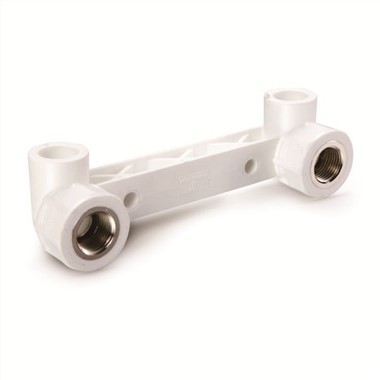
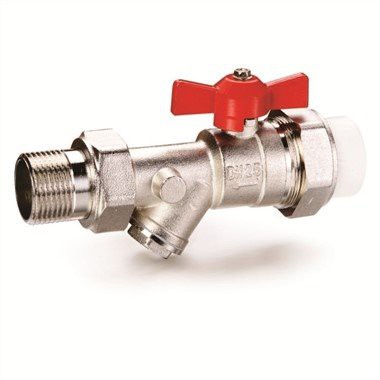
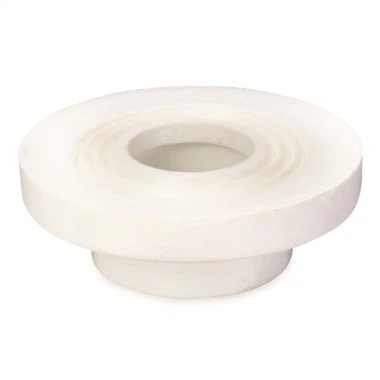
PPR Fitting TypeA

Why Choose Us

High quality

All of our pipe is capable of being ultrasonic tested providing you with less downtime and cost savings VS.

Innovation

We are dedicated to improving our systems continually, ensuring that the technology we offer is always cutting edge.

Competitive price

We have professional sourcing team and cost accounting team, stive to reduce cost and profit and provide you a good price.

24H online service

Our customer support team is available 24/7 to answer any questions or concerns you may have.


What is a PPR Fitting Type A


PPR fitting Type A is a type of plastic plumbing fitting used for joining PPR pipes in a plumbing system. It is made of polypropylene random copolymer (PP-R) which is a thermoplastic material known for its high durability and resistance to high temperatures and pressures. The fitting is characterized by a spigot end which is inserted into the PPR pipe and a socket end that receives another pipe or fitting. Type A fittings are suitable for cold and hot water distribution systems, heating systems, and industrial pipelines.

First 12 Last 1/2


Benefits of PPR Fitting Type A n

HDPE Pipe

Easy installation

PPR Type A fittings can be easily installed by simply heating the pipe and fitting with a heating tool, then inserting the pipe into the fitting. This makes it fast and convenient to install and reduces the time required for installation.

PE-AL-PE Pipe

Leakage free connections

The PPR Type A fittings create a tight and secure connection with the pipe, which ensures zero leakage and allows for a long-lasting, reliable plumbing system.

Pert Pipe

Highly resistant to corrosion

The PPR Type A fittings are highly resistant to corrosion, even in high-temperature applications. This makes them ideal for use in a variety of environments such as aggressive soil conditions.

PPR-AL-PERT Pipe

High temperature and pressure resistance

PPR Type A fittings are capable of withstanding high temperatures and pressure, making them ideal for use in hot water systems and other demanding applications.

DIN 8077/8078 PPR Pipe

Cost effective

As compared to other types of fittings, PPR fittings are cost-effective and offer a greater value for money. They are durable, long-lasting and require minimal maintenance, which reduces overall maintenance and replacement costs.

PPR-AL-PPR Pipe

Hygienic

PPR Type A fittings are hygienic, as they are made from non-toxic materials and don’t contaminate water and other fluids passing through them. They are also resistant to bacterial growth, which makes them ideal for use in water supply systems and other applications where hygiene is important.

Types of PPR Fitting Type A
PERT EVOH Pipe
PB EVOH Pipe
Anti-bacterial PPR Pipe

1.PPR pipe fittings:That is, pipe fittings of polypropylene insulated pipe material, are a pipe connection element widely used in construction and industrial fields. Made of polypropylene insulation, they offer superior performance and come in a variety of types to suit different uses. Here are some common types of PPR fittings and their uses:

2.PPR elbow:PPR elbow is usually used to change the direction of the pipe to adapt it to different pipe layouts. They can be used in water supply and heating systems to ensure that pipes can smoothly go around obstacles or connect to different equipment.IFAN factory 30+ years manufacture experience support color /size customization support free sample.Welcome to consult for catalog and free samples.This is our Facebook Website:www.facebook.com

3.PPR equal diameter tee:PPR equal diameter tee is used to divert pipeline flow and is usually used when branch pipes need to be connected to the main pipe. This helps maintain balance and proper functioning of the system.

4.PPR reducing tee:PPR reducing tee allows the connection of pipes of different diameters and is usually used to connect smaller pipes with larger pipes to meet the flow requirements of different parts.

5.PPR pipe caps:PPR pipe caps are used to seal the ends of pipes to prevent water leakage or dust from entering the duct system. They can also be used for manhole covers.

6.PPR pipe joint:PPR pipe joint is used to connect two pipes. They are available in different types including straight connectors, female connectors and male connectors, which can be selected according to specific needs.


Material of PPR Fitting Type A

Polypropylene:The base materials used in the manufacturing of PPR pipes are polypropylene and ethylene. Polypropylene is a thermoplastic polymer that is widely used in various applications due to its excellent chemical resistance, low density, and high stiffness.

5 Way Manifold


productcate-900-400
 
Application of PPR Fitting Type A
 

Hot and cold water supply systems:PPR pipes are widely and equally used for hot and cold water supply systems in residential, commercial, and industrial buildings. They can withstand high temperatures and pressure and can distribute heat evenly which makes them ideal for transporting water in such systems. They are also used in heating systems such as under-floor heating etc.

Chemical and fluid transport

As we know that PPR pipes are resistant to corrosion which makes them most suitable for transporting chemicals and fluids in industrial processes.

Agricultural irrigation application

PPR pipes are extensively used for irrigation systems in the agriculture sector due to their durability and resistance to chemicals.

Infrastructure

PPR pipes are also used in infrastructure projects like sewage systems, drainage systems, and cable conduits. These pipes' resistance to corrosion and abrasion makes them ideal for such applications.

Transporting fluids and chemicals

PPR pipes are used in transporting fluids and chemicals in industrial processes.Summarily, it can be concluded that these pipes are a versatile and durable option for a wide range of piping applications.


Process of PPR Fitting Type A


Preparing the pipe surface

The ends of the pipes must be cut cleanly and free of any burrs or rough edges using a pipe cutter. The pipe surface must be cleaned and dried.

01

Heating the fitting

The PPR fitting barbs are heated using a heating tool until the temperature reaches 260°C. The heating time may vary depending on the fitting size.

02

Fitting insertion

Insert the pipe into the fitting with slight twisting motion while the fitting is still hot, making sure that the pipe goes past the first barrier.

03

Cooling

Allow the pipe and fitting combination to cool down for approximately 3-5 seconds. The fitting should not be moved or twisted until it cools.

04

Pressure testing

Once the PPR fitting is installed, it is important to perform a pressure test for at least an hour to ensure a secure connection and absence of any leaks.

05


How to maintain PPR Fitting Type A

Material:PPR (Polypropylene random copolymer) is a plastic material that is resistant to high temperatures and pressure. PPR Fitting Type A is made of this material for its ability to withstand wear and tear over time.

Application:PPR Fitting Type A is used in the installation of PPR pipes and is ideal for plumbing systems, hot and cold water supply, and industrial applications.

Sizes:PPR Fitting Type A comes in various sizes to accommodate different pipe sizes. It is essential to select the appropriate size for the pipe connection to avoid leaks or damages.

Installation:Proper installation is crucial to avoid leaks and ensure the longevity of the PPR fittings. It is advisable to hire a professional plumber to install the PPR Fitting Type A correctly.

Maintenance:PPR Fitting Type A requires minimal maintenance, but it is advisable to inspect for leaks regularly. Any signs of damage or leaks should be attended to promptly and repaired or replaced if needed.

Installation guide:The installation process for PPR fittings Type A should be done according to the manufacturer's instructions to ensure a leak-proof connection. This typically involves heating the ends of the pipes to be joined, and then inserting them into the fittings. The fittings will then cool and solidify, creating a secure connection.


Components of PPR Fitting Type A
 
01/

Body: The body of a PPR fitting is the main structure that connects two PPR pipes. It is typically made of high-quality PPR material, ensuring the strength and integrity of the fitting. The body can have different shapes and sizes depending on the specific application and pipe size.

02/

Socket: The socket is an essential component of PPR fittings. It is a cavity or opening on the fitting body where the PPR pipe is inserted. The socket is designed to provide a secure and tight connection between the pipe and the fitting.

03/

Thread: Some PPR fittings, such as PPR threaded elbows or tees, have threads on their bodies. These threads allow for easy installation and connection with other plumbing components, such as valves or faucets. The threads are usually made of brass or stainless steel to ensure their strength and resistance to corrosion.

04/

O-Ring: In certain PPR fittings, an O-ring is used to provide an extra layer of sealing. The O-ring is a circular rubber gasket placed inside the fitting body. It helps to prevent any possible leakage, especially in joints exposed to higher pressures or extreme temperatures.

05/

Metal Insert: PPR fittings that require additional strength or stability may have a metal insert inside the body. This insert is usually made of brass or stainless steel and is placed within the fitting during the manufacturing process. The metal insert improves the durability and structural integrity of the fitting.

06/

Locking Ring: Some PPR fittings, like PPR compression fittings, feature a locking ring. The locking ring is placed around the fitting body and ensures a secure connection between the fitting and the PPR pipe. By tightening the ring, it compresses the pipe onto the fitting, creating a tight and leak-proof joint.


What you should know when use PPR Fitting Type A

Notes 1

It is important to ensure that the PPR pipes and fittings are of high quality and are certified by reputable organizations. This will help ensure the longevity and safety of the plumbing system. Type A PPR fittings are designed for use in hot and cold water systems, as well as in heating systems. They can withstand high temperatures and pressure, making them suitable for various applications.

Notes 2

When using PPR fitting Type A, it is crucial to properly clean and prepare the pipes and fittings before installation. Any dirt, debris, or moisture can compromise the integrity of the joint and lead to leaks or failures. Therefore, make sure to thoroughly clean the pipes and fittings using a suitable cleaning agent and allow them to dry completely before proceeding with the installation.

Notes 3

Proper jointing techniques are essential when using PPR fitting Type A. The most common method is heat fusion, whereby the pipes and fittings are heated and then pressed together to create a strong and leak-proof joint. It is essential to follow the manufacturer's instructions and use the correct fusion tools to achieve a proper bond. A faulty joint can result in water leakage, which can lead to significant damage and costly repairs.

Notes 4

When installing PPR fitting Type A, it is crucial to consider the expansion and contraction of the pipes due to temperature changes. PPR pipes have a relatively high coefficient of thermal expansion, so it is essential to allow for proper expansion joints or loops in the system. This will prevent undue stress on the pipes and fittings and ensure the longevity of the plumbing system.

Notes 5

Regular maintenance is also necessary to keep the PPR fitting Type A in good condition. Inspect the pipes and fittings periodically for any signs of damage, leaks, or wear and tear. Replace any faulty components immediately to prevent further damage. Additionally, it is recommended to use insulation to minimize heat loss or gain in the system, ensuring optimal performance and energy efficiency.

Precautions for Installing PPR Pipes and Fittings


Step 1: When selecting PPR pipes and fittings for any project, ensure that they are of the right fit. Proper fitting of the pipes with the fittings is of the essence to ensure leakproof and reliable connections regardless of the application of the pipeline. It is advisable to choose pipes and fittings from the same manufacturer for the right fit.

Step 2: To check the installation, if a pressure test is being carried out, it must not be more than 30 minutes. Do not operate under the assumption that the longer the pressure test, the better it is. In case the site environment allows for longer testing, it may be done but only under constant monitoring.

Step 3: For installing the PPR pipes and connecting the PPR pipe fittings, the hot melt procedure is used. When the hot melt is being conducted, the temperature must always be controlled to ensure that there is no shrinking beyond the level required to secure the connection.

Step 4: Immediately after the installation has been done, the pipeline must not be disturbed, and no pressure of any kind must be applied on it. The stability of the pipeline must be ensured to secure the connection for longer service life.

Step 5: If the PPR pipes are being installed outdoors, due care must be taken to ensure that the pipeline is not exposed to direct sunlight. PPR pipes are not resistant to UV radiation and can become brittle upon prolonged exposure. Hence, these pipes must be sufficiently buried or covered for outdoor installations.


Certifications
 
productcate-800-541
productcate-800-549


Our Factory

With annual productivity over 10000 tons, China Amico Plastic Industry Inc. mainly produce plastic aluminum pipe, PP-R pipe, PE-RT pipe, HDPE pipe, PE-RT heating pipe series, brass adapter etc. Amico been awarded the title of Name-brand frequently and acquired ISO9001 and ISO14001 certificate. As early as 2004, Amico plastic aluminum pipe and PP-R pipe were titled as "Chinese best seller brand" Amico pipes and fittings enjoy high praise from home and abroad. So far, the company domestic sale network spreads more than 20 provinces. Meanwhile, the products are popular in various countries, such as Russia, the Phillipines, Chile, Indonesia etc.

productcate-675-506


Frequently Asked Questions Aluminum Plastic Composite pipe
 

Q: What is PPR Pipe?

A: PP-R pipes and fittings are manufactured from high quality, Polypropylene Random Copolymer (PP-R Type 3) resins. Its physical and chemical properties make a versatile piping system in a wide range of applications in different industries.The advantages compared to other thermoplastic pipes in potable water industries are its high impact strength and high pressure resistance at high temperatures during long-term internal hoop stress.

Q: What application areas are PPR/PPR-A Pipes used for?

A: Drinking Water Supply
Cold and Hot Water Lines
Chilled Water Technology
Radiator Heating Systems
Transport of Chemicals
Compressed Air Systems

Q: What are the advantages and main features of PPR Pipes?

A: Fast and Ease of Installation
Resistant to High Pressures
Long Service Life
High Impact Resistance
Rust and Corrosion Free
Eco-friendly

Q: Is it possible to use PPR pipes in compressed air systems?

A: PPR pipes may be used for compressed air - the relevant standards state that they can be used under the same conditions as for water. In your decision about the use it will be, however, necessary to consider some filtration equipment beyond compressors as potential residual compressor oils may negatively influence PPR pipes.

Q: Is it possible to use PPR pipes in distribution systems chemicals?

A: Polypropylene is a material of high chemical resistance, which is specified in relevant standards and depends on chemical types, concentrations and temperatures. Final decisions in concrete applications must be taken by a subcontractor specialized in industrial piping systems, with sufficient experience and ability to evaluate available data in a complex way (i.e. material resistance, safety aspects as well as concrete application placements).

Q: What are the two methods of joining PPR pipes?

A: Fusion Welding: pipe and fitting are welded together. Both are made of PP-R so that no additional welding material is required. 2. Threaded Fittings: both Male and Female threads are available.

Q: Can PPR fittings type A be used for underground piping systems?

A: Yes, PPR fittings type A can be used for underground piping systems as they are corrosion-resistant and durable. However, proper installation techniques must be followed to ensure the longevity of the piping system.

Q: Can PPR fittings type A be used for hot water systems?

A: Yes, PPR fittings type A can be used for hot water systems as they are designed to withstand high temperatures and pressure.

Q: How long do PPR fittings type A last?

A: PPR fittings type A are designed to last for a long time, up to 50 years, depending on the quality of installation and usage.

Q: How do you join PPR pipe fittings?

A: Place the right-sized sockets onto the fusion tool. ...
Plug in the fusion tool to begin heating the sockets. ...
Trim your pipe to length with a smooth, clean cut. ...
Clean the PPR pieces with a cloth and the recommended cleaner. ...
Mark the welding depth on the joining end of the pipe. ...
Confirm that the fusion tool is fully heated.

Q: Does PPR pipe need insulation?

A: PPR pipes show glassy properties at 0 °C due to the material structure and the fragility of its raw material under these conditions. Thus if there is a possibility of pipes to face such conditions in the building during winter, then insulation should be used.

Q: Can PPR pipe be exposed to sunlight?

A: Overall, PPR pipes can be exposed to the sun, but it is important to take appropriate measures to protect them from the effects of UV radiation and excessive heat. Proper insulation and placement in a shaded area can help to minimize the effects of sun exposure and ensure the long-term durability of the pipes.

Q: Can PPR pipes be used for gas?

A: PPR pipes can be found in the following applications: Water supply, sewage systems, gas supply (solvent-welded only), heat insulation, cold supply and cooling technology. Placing them underground is also possible due to their chemical resistance.

Q: How many types of PPR pipes are there?

A: These are Type-1(polypropylene homo polymer), Type-2(polypropylene block copolymer) and Type-3 (Polypropylene Random copolymer). Type-3 is more performers against physical and chemical than Type-1 and Type-2.

Q: What is the maximum diameter of PPR pipe?

A: Diameter: 20mm, 25mm, 32mm. Maximum Length: 4m. Max Pressure: 1.25Mpa. Wall Thickness: 20mm (2.8mm), 25mm (3.5mm), 32mm (4.4mm)

Q: What is the pressure testing standard for PPR pipes?

A: The test pressure of the cold water pipe should be 1.5 times the working pressure of the piping system, but not less than 1.0MPa; the test pressure of the hot water pipe should be 2.0 times the working pressure of the system, not less than 1.5MPa.

Q: What is the difference between PPR fitting Type A and Type B?

A: PPR fitting Type A is used for hot and cold water supply, while PPR fitting Type B is used for hot water supply only. Type A fittings have green color coding, while Type B fittings are coded red.

Q: Is PPR fitting Type A better than PVC fitting?

A: PPR fitting Type A is generally considered to be better than PVC fitting because of its high resistance to temperature, pressure and corrosion. PPR fitting is also known for its flexibility, durability and long service life.

Q: How do you install PPR fitting Type A?

A: PPR fitting Type A can be installed by using a special fusion tool or a hot plate to melt the ends of the pipe and the fittings, then joining them together while the material is still hot. The joint is secure and leak-proof, ensuring reliable water supply.

Q: Can PPR fitting Type A be used for gas supply?

A: No, PPR fitting Type A is not recommended for use in gas supply systems. It is specifically designed for water supply systems in buildings.

As one of the leading ppr fitting typea manufacturers and suppliers in China, we warmly welcome you to wholesale customized ppr fitting typea made in China here from our factory. All our products are with high quality and competitive price.

brass plug, Elbow Brass Fittings, Brass Hose Fitting Connectors

(0/10)

clearall