What Is PERT Piping?
Jan 07, 2024
Introduction
PERT piping is a critical element in the construction and operation of various fluid transport systems. It is built to withstand the extreme conditions and pressures of industrial processes while ensuring maximum efficiency and safety. In essence, PERT piping is a network of interconnected pipes and fittings designed to transport various types of fluids, including water, gases, and chemicals.
In this article, we will delve deeper into the topic of PERT piping and explore its design, applications, advantages and disadvantages, and installation process.
What is PERT Piping?
PERT stands for Polyethylene of Raised Temperature resistance, an advanced form of high-density polyethylene (HDPE) that is specifically designed for use in piping systems. PERT pipes and fittings are made by cross-linking the polyethylene molecules, which enhances their strength, durability, and resistance to thermal deformation.
PERT piping is commonly used in various industrial and commercial applications, such as heating and cooling systems, gas transport systems, chemical processing plants, and water treatment facilities. Its unique properties and design make it an excellent choice for applications that require high reliability, flexibility, and resistance to high temperatures and pressures.
Design of PERT Pipes and Fittings
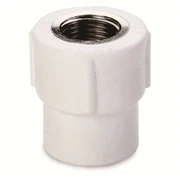
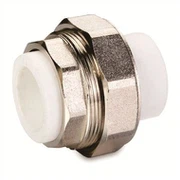
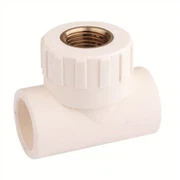
PERT pipes and fittings are designed to meet various industry standards and regulations, including ASTM, ISO, EN, and BS. They are available in various sizes, shapes, and configurations, ranging from simple straight pipes to complex joint and bend systems.
The construction of PERT pipes and fittings involves a process of extrusion, where the polyethylene resin is melted and forced through a die to form the desired shape. The pipe wall thickness can be varied, depending on the application and operating conditions, to optimize the performance and durability of the system.
One of the main advantages of PERT piping is its flexibility, which allows it to bend and deform without breaking or cracking. This flexibility is achieved by cross-linking the polyethylene molecules during the manufacturing process, which creates a 3D network of interconnected chains that can move and stretch without losing their shape or strength.
Applications of PERT Piping
PERT piping is widely used in various industrial and commercial applications, including:
1. Heating and cooling systems: PERT pipes are commonly used in underfloor heating and cooling systems, where they provide efficient and uniform heat distribution. They can also be used in radiator systems, where their flexibility allows for easy installation and maintenance.
2. Gas transport systems: PERT pipes are used in gas transport systems, where their high resistance to temperature and pressure ensures safe and reliable performance. They can be used for both natural gas and liquefied petroleum gas (LPG) systems.
3. Chemical processing plants: PERT pipes are used in chemical processing plants, where their resistance to chemicals and high temperatures make them ideal for transporting corrosive and hazardous fluids.
4. Water treatment facilities: PERT pipes are used in water treatment facilities, where they provide a durable and reliable solution for transporting treated water to distribution networks.
Advantages of PERT Piping
PERT piping has several advantages over traditional piping materials, including:
1. Durability: PERT pipes and fittings are highly durable and resistant to temperature extremes, UV radiation, chemicals, and impact. They have a long life expectancy and require minimal maintenance.
2. Flexibility: PERT pipes and fittings are extremely flexible and can bend and deform without breaking or cracking. This flexibility allows for easy installation and maintenance, particularly in tight spaces and hard-to-reach areas.
3. Corrosion resistance: PERT pipes and fittings are highly resistant to corrosion, which ensures consistent flow rates and avoids contamination of the transported fluids.
4. Thermal resistance: PERT pipes and fittings are designed to withstand high temperatures without deforming, making them ideal for applications that require heat insulation and resistance to thermal shock.
Disadvantages of PERT Piping
PERT piping also has some disadvantages, including:
1. Cost: PERT piping is more expensive than traditional piping materials, such as copper and PVC. However, its long life expectancy and low maintenance requirements can offset the initial cost.
2. Installation complexity: The installation of PERT piping requires specialized tools and equipment, which can increase the installation time and cost. However, once installed, PERT piping requires minimal maintenance.
3. Limited availability: PERT piping is still a relatively new technology, and its availability may be limited in some areas. However, it is becoming increasingly popular and widely available as more industries adopt its use.
Installation of PERT Piping
The installation of PERT piping requires careful planning, preparation, and execution. The following steps are typically involved in the installation process:
1. Planning: The first step in any PERT piping installation is to plan the layout and design of the system. This includes determining the size and configuration of the pipes, planning the routing of the pipes, and selecting the appropriate fittings and valves for the system.
2. Preparation: The next step is to prepare the work area, which includes clearing the space, securing the pipes, and preparing the tools and equipment needed for the installation.
3. Cutting and fitting: The PERT pipes and fittings are cut to size, and the fittings are attached to the pipes using the appropriate jointing method. This can include electrofusion, butt fusion, or mechanical jointing.
4. Mounting and alignment: The pipes and fittings are mounted and aligned according to the design and layout of the system. This includes ensuring that the pipes are level and straight and that the fittings are properly aligned and tightened.
5. Testing: Once the installation is complete, the system is tested for leaks and pressure using specialized equipment. This ensures that the system is safe and functioning correctly.
Conclusion
PERT piping is a highly advanced form of piping technology that offers several benefits over traditional piping materials. Its durability, flexibility, and resistance to thermal deformation make it ideal for various industrial and commercial applications. Although PERT piping has some disadvantages, such as higher cost and installation complexity, its advantages far outweigh its disadvantages, particularly in high-demand applications. As the use of PERT piping continues to grow, it is likely to become increasingly available and widely adopted across various industries.