What Does PB Mean in Piping?
Jan 09, 2024
What does PB mean in piping?
Piping is an integral part of many industries, including oil and gas, power plants, chemical plants, and water treatment facilities. It is crucial to have a common understanding of the various terminologies and codes used in the piping industry to ensure effective communication and safe operations. One such term that often comes up in piping discussions is "PB." In this article, we will dive deep into the meaning of PB in piping and its significance.
PB - An acronym with multiple meanings
PB is an acronym that has different meanings depending on the context. In the world of piping, it can stand for Polybutylene, Pressure Balance, or Push Button. Let''s explore each of these meanings and understand how they relate to piping systems.
Polybutylene (PB)
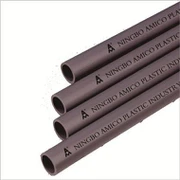
Polybutylene (PB) is a plastic material used extensively in the past as a piping material in residential and commercial buildings. It gained popularity during the 1970s and 1980s due to its low cost, ease of installation, and resistance to corrosion.
PB pipes were primarily used for water supply lines and heating systems. However, as time passed, numerous issues emerged regarding the long-term integrity of PB pipes. The material was found to be prone to brittleness, leading to unexpected failures and water damage in properties.
Due to the widespread issues and concerns about the reliability of PB pipes, their use has diminished significantly over the years. Many building codes and insurance companies now restrict or exclude coverage for structures with PB piping systems. It is essential for homeowners to be aware of the type of piping material used in their properties, especially if they were built or renovated during the 1970s and 1980s.
Pressure Balance (PB)
In the context of piping systems, PB can also refer to Pressure Balance. Pressure balance is a valve mechanism commonly used in showers and other plumbing fixtures to maintain a consistent water temperature.
A pressure balance valve works by balancing the hot and cold water pressure to ensure that even if there are fluctuations in either supply, the water temperature remains stable. This mechanism is particularly important to prevent sudden shifts in temperature that may scald or shock users.
The PB designation for pressure balance is often seen on valve handles or in product specifications. It indicates that the valve incorporates the pressure balance feature, offering users a comfortable and safe shower experience.
Push Button (PB)
Another possible meaning of PB in relation to piping is Push Button. In some industries, particularly those with automated or controlled piping systems, PB can indicate the presence of push button controls.
Push button controls allow operators to start, stop, or initiate specific functions within a piping system, such as opening or closing valves, controlling flow rates, or activating pumps. These controls provide a convenient and efficient way to operate complex piping systems and ensure the desired actions are carried out accurately.
To summarize
In conclusion, PB in piping can have multiple meanings depending on the specific context. It can refer to Polybutylene (a type of plastic piping material), Pressure Balance (a valve mechanism for maintaining consistent water temperature), or Push Button (controls for operating piping systems).
While PB pipes made of Polybutylene were once popular, their use has declined due to reliability concerns. Pressure balance valves incorporating the PB designation are crucial for maintaining safe and comfortable water temperature in showers and plumbing fixtures. Furthermore, push button controls marked as PB enhance the operational efficiency and control of complicated piping systems.
Having a clear understanding of these various meanings of PB in piping is essential for professionals working in the field to ensure effective communication and accurate interpretation of technical specifications. It also ensures the proper selection and usage of materials and components, promoting the overall safety and performance of piping systems.