What Are The 3 Types Of PPR?
Nov 24, 2023
Introduction
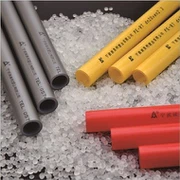
When it comes to plumbing, PPR pipes are some of the most popular options for plumbing systems around the world. PPR stands for Polypropylene Random Copolymer, and it is a thermoplastic material that is durable and long-lasting. There are three types of PPR pipes available in the market, each one designed to meet specific plumbing needs. In this article, we''ll discuss the three types of PPR pipes, their features, and uses.
What is PPR?
PPR is a type of plastic that has become increasingly popular for use in plumbing applications, especially in hot and cold water systems. It is a high-density thermoplastic material that is strong, durable, and easy to install. PPR pipes are preferred by homeowners and contractors for their resistance to heat, corrosion, and impact, making them ideal for plumbing systems in both residential and commercial buildings.
Types of PPR
There are three types of PPR pipes available in the market, each designed for specific plumbing applications. They are:
1. PPR-CT
2. PPR-FR
3. PPR-Stabi
PPR-CT
PPR-CT stands for PPR with Cross-linked Technology. The PPR-CT pipes are a new type of PPR pipe that is gradually gaining popularity in the plumbing industry. PPR-CT pipes are resistant to high temperatures and pressure and can withstand maximum operating temperatures of 95°C, making them ideal for hot water distribution systems.
One of the major advantages of PPR-CT pipes over traditional PPR pipes is their improved pressure resistance. These pipes can be used in water supply systems that require high pressure, such as industrial and commercial facilities, hotels, and hospitals.
PPR-CT pipes are easy to install and can be easily connected to existing copper, PVC, or PPR plumbing systems. The installation process is fast and efficient, and the pipes can be cut easily and bent to fit tight spaces.
PPR-FR
PPR-FR stands for PPR with Flame Retardant properties. PPR-FR pipes are made up of a special polymer that contains a flame retardant additive, which reduces the risk of fire spreading through the plumbing system. This makes them an ideal choice for use in buildings that require stringent fire safety regulations.
PPR-FR pipes are designed for use in water supply systems that require medium to high pressure. They are also resistant to chemical corrosion and provide excellent thermal insulation, making them ideal for hot water distribution systems.
PPR-FR pipes are easy to install and can be cut and bent easily, just like PPR-CT pipes. They can be connected to existing plumbing systems, and their joints are watertight and leak-free.
PPR-Stabi
PPR-Stabi stands for PPR with Stabilization. PPR-Stabi pipes are designed for use in water supply systems that are exposed to high temperatures and pressure. They have a unique structure that makes them highly resistant to thermal expansion and contraction, making them ideal for use in large, commercial buildings.
PPR-Stabi pipes have a layer of aluminum foil embedded in their walls, which helps to prevent deformation and maintain the pipe''s shape under high temperature and pressure. The aluminum foil also provides excellent thermal insulation, reducing heat loss and increasing energy efficiency.
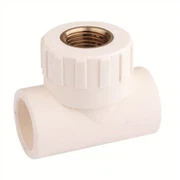
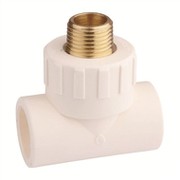
PPR-Stabi pipes are easy to install and can be connected to existing copper, PVC, or PPR plumbing systems. They are also compatible with various types of joints, including clamping, welding, and threading.
Conclusion
PPR pipes are an excellent choice for plumbing systems because of their durability, longevity, and resistance to heat and corrosion. Choosing the right type of PPR pipe is critical to ensure that the plumbing system performs optimally for years to come. PPR-CT, PPR-FR, and PPR-Stabi pipes are three types of PPR pipes that are available in the market today. Each type has its unique features and benefits and is designed for specific plumbing applications. Before making a decision, it is essential to consult with a professional plumber or contractor to determine which type of PPR pipe is best suited for your plumbing needs.