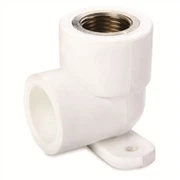
What Is The Disadvantage Of PPR Pipe?
Nov 23, 2023
What is the disadvantage of PPR pipe?
PPR pipe, also known as polypropylene random copolymer pipe, is a type of plastic pipe widely used in plumbing systems. It has gained popularity due to its many advantages such as high resistance to heat and chemicals, long lifespan, and ease of installation. However, like any other material, PPR pipe also has its disadvantages. In this article, we will explore the various drawbacks of using PPR pipe in plumbing systems.
1. Cost
One of the major disadvantages of PPR pipe is its cost. Compared to other types of plastic pipes such as PVC or CPVC, PPR pipe is relatively more expensive. The cost of the pipe itself, as well as the fittings required for installation, can be significantly higher than other available options. This can make it less economical, especially for large-scale projects or tight budgets.
2. Limited availability
Unlike PVC or CPVC pipes, which are readily available in most hardware stores, finding PPR pipes and fittings can be a challenge. The limited availability of PPR pipe can make it difficult to source the materials required for installation. This can lead to delays or inconvenience, particularly in areas where PPR pipe is not widely used or known.
3. Brittle and susceptible to breakage
Another disadvantage of PPR pipe is its tendency to become brittle and susceptible to breakage over time. Although PPR pipe is known for its durability and long lifespan, it can become brittle when exposed to extreme temperatures or prolonged exposure to sunlight. This can lead to cracks, leaks, or even complete pipe failure. It is important to consider the environmental conditions and potential stress factors before opting for PPR pipe in plumbing systems.
4. Lack of flexibility
PPR pipe is relatively less flexible compared to other types of plastic pipes. This lack of flexibility can make it challenging to install in areas with complex or tight spaces. Unlike PVC pipes, which can be easily bent or twisted, PPR pipe requires the use of fittings and connectors to change direction. This can add complexity to the installation process and increase the overall cost of the plumbing system.
5. Limited temperature range
Although PPR pipe is known for its high resistance to heat, it has a limited temperature range compared to other materials. PPR pipe can withstand temperatures up to 203°F (95°C), which may not be suitable for certain industrial or high-temperature applications. In such cases, alternative materials like metal or CPVC pipes may be more appropriate.
6. Thermal expansion
Thermal expansion is a common phenomenon in plumbing systems, where pipes expand or contract due to temperature changes. PPR pipe has a relatively high coefficient of thermal expansion, which means it expands more than other materials. This can lead to stress on fittings, joints, and connections, potentially causing leaks or pipe failure. Proper expansion joints and consideration of thermal expansion are critical when using PPR pipe in plumbing systems.
7. Environmental concerns
Although PPR pipe is considered to be environmentally friendly compared to other plastic pipes, it is still a petroleum-based product and requires energy-intensive manufacturing processes. Additionally, PPR pipe cannot be recycled like some other plastic materials, which can contribute to waste management issues. It is important to consider the environmental impact of using PPR pipe and explore sustainable alternatives when possible.
8. Water flow restrictions
PPR pipe has a relatively smaller inner diameter compared to other types of pipes. This can result in water flow restrictions, especially in areas with low water pressure or where high flow rates are required. Proper consideration of pipe sizing and the specific needs of the plumbing system is crucial to avoid potential water flow issues.
9. Limited color options
Unlike PVC pipes, which are available in various colors for easy identification in plumbing systems, PPR pipe is typically limited to a single color, often white or gray. This lack of color options may make it challenging to differentiate between pipes of different purposes or functions during installation or maintenance.
In conclusion, while PPR pipe offers numerous advantages in plumbing systems, it is important to consider its disadvantages as well. The cost, limited availability, brittleness, lack of flexibility, limited temperature range, thermal expansion, environmental concerns, water flow restrictions, and limited color options are all factors to be taken into account when deciding to use PPR pipe. It is crucial to thoroughly evaluate the specific requirements of the plumbing project and explore alternative materials if necessary.