What Is The Difference Between PVC And PPR Pipes?
Jan 16, 2024
What is the difference between PVC and PPR pipes?
When it comes to choosing the right type of piping for your plumbing needs, PVC and PPR are two popular materials to consider. Both offer their own set of advantages and disadvantages, so it''s important to understand the differences between PVC and PPR pipes before making a decision.
Materials
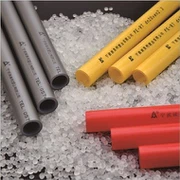
First and foremost, the most obvious difference between PVC and PPR pipes is the materials they are made from. PVC pipes are made from a synthetic plastic material called polyvinyl chloride, while PPR pipes are made from a type of polymer called polypropylene.
Heat Resistance
Perhaps one of the biggest differences between PVC and PPR pipes is their ability to handle high temperatures. PVC pipes are not designed for use with hot water or in areas that are frequently exposed to high temperatures, as they can warp or melt under these conditions. On the other hand, PPR pipes are specifically designed to handle high temperatures and are often used for hot water applications such as in residential and commercial plumbing.
Chemical Resistance
Another factor to consider when choosing between PVC and PPR pipes is their chemical resistance. PVC pipes are somewhat resistant to chemicals, but can become brittle or crack when exposed to certain types of chemicals over time. PPR pipes, on the other hand, are highly resistant to chemicals and are often used in industrial applications where exposure to chemicals is common.
Flexibility
When it comes to flexibility, PVC pipes are generally more flexible than PPR pipes. This can make them easier to work with in certain situations, such as when installing pipes around corners or in areas with limited space. However, PPR pipes are typically more rigid and can handle higher levels of pressure.
Cost
Another important factor to consider when choosing between PVC and PPR pipes is cost. PVC pipes are generally less expensive than PPR pipes, making them a popular choice for residential plumbing applications. However, PPR pipes are more durable and can last longer, making them a better long-term investment.
Installation
Finally, the installation process for PVC and PPR pipes is slightly different. PVC pipes are typically joined together using glue or cement, while PPR pipes are joined using a heat fusion process that involves melting the ends of the pipes together. While the heat fusion process can be more time-consuming and require more specialized equipment, it creates a stronger, more durable bond between the pipes.
In conclusion, while both PVC and PPR pipes offer their own set of advantages and disadvantages, the choice ultimately comes down to your specific plumbing needs. If you are looking for an affordable, easy-to-install option for your residential plumbing needs, PVC pipes may be the right choice for you. However, if you need a more durable, chemical-resistant solution that can handle high temperatures, PPR pipes may be a better investment in the long run. It''s important to consider all of the factors listed above before choosing between PVC and PPR pipes to ensure that you''re making the best decision for your specific needs.