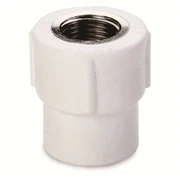
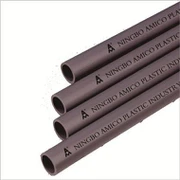
What Is PPR Piping System?
Dec 28, 2023
What is PPR piping system?
PPR piping system is a type of plastic piping system that is commonly used in the construction industry. PPR stands for "polypropylene random copolymer" which is the material used to make these pipes. PPR piping systems have many advantages over traditional piping systems and are becoming increasingly popular in both commercial and residential applications.
**Advantages of PPR piping system
One of the biggest advantages of PPR piping systems is their durability. PPR pipes are made from a high-strength plastic material that is resistant to abrasion and impact damage. This means that they can withstand a lot of wear and tear without becoming damaged or leaking. Additionally, PPR pipes are also resistant to chemicals and UV rays, making them an ideal choice for a variety of applications.
Another advantage of PPR piping systems is their flexibility. PPR pipes are designed to be very flexible, which makes them easy to install in tight spaces and around corners. This flexibility also makes PPR pipes less likely to crack or break under pressure, further increasing their durability.
PPR pipes are also very easy to install. Unlike traditional piping systems which require a lot of soldering or welding, PPR pipes can be easily connected using heat fusion. This method involves heating the pipe and the fitting until they melt together, creating a strong and leak-proof joint. This means that installations can be done quickly and efficiently without the need for specialized tools or training.
Finally, PPR piping systems are also very cost-effective. While the initial cost of PPR pipes may be slightly higher than traditional piping systems, the long-term savings are significant. PPR pipes require very little maintenance and have a much longer lifespan than other materials, which means fewer repairs and replacements over time.
**Applications of PPR piping system
PPR piping systems have a wide range of applications, from industrial and commercial to residential. Some of the most common applications include:
1. Hot and cold water supply: PPR pipes are frequently used to transport hot and cold water in buildings. These pipes are ideal for this purpose because they are resistant to corrosion, scale, and other forms of damage.
2. Heating systems: PPR pipes are also commonly used in heating systems, such as underfloor heating. The flexibility of PPR pipes makes them easy to install in tight spaces, which is important in heating applications.
3. Chemical transport: PPR pipes are resistant to a wide range of chemicals, making them ideal for transporting aggressive materials.
4. Air conditioning: PPR pipes are used in air conditioning systems because they are resistant to condensation and can withstand high temperatures.
5. Irrigation systems: PPR pipes are also used in irrigation systems because they are durable and resistant to UV rays.
**Installation of PPR piping system
Installing a PPR piping system is relatively easy and can be done with minimal tools and training. The first step in installing a PPR piping system is to plan the layout of the pipes. This involves determining the location of the pipes and fittings and ensuring that they are spaced correctly.
Once the layout has been planned, the pipes can be cut to the desired length using a pipe cutter or saw. Next, the pipes are cleaned and prepared for welding. The ends of the pipes and fittings are heated using a welding machine until they melt together. Once the joint has cooled, it is checked for leaks before the next joint is welded.
It is important to note that only trained professionals should install PPR piping systems. While the process is relatively simple, it does require some specialized knowledge and training to ensure that the pipes are installed correctly.
**Maintenance of PPR piping system
One of the biggest advantages of PPR piping systems is their low maintenance requirements. PPR pipes do not require any special maintenance or cleaning, and they are resistant to corrosion and other forms of damage. However, it is important to inspect the pipes regularly for leaks or other signs of damage. Any issues should be addressed immediately to prevent further damage to the system.
PPR pipes are also resistant to scale buildup, which can be a problem in traditional piping systems. However, if scale does occur, it can usually be removed using standard chemical cleaning methods.
**Conclusion
PPR piping systems are a modern and innovative alternative to traditional piping materials. They offer a wide range of advantages, including durability, flexibility, ease of installation, and cost-effectiveness. PPR pipes are suitable for a variety of applications and are increasingly popular in both residential and commercial buildings. When installed and maintained correctly, PPR piping systems can provide a reliable and long-lasting solution for many years to come.