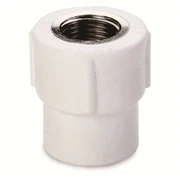
What Is PERT Piping?
Dec 18, 2023
What is PERT piping?
PERT (Polyethylene Raised Temperature) piping is a type of plastic piping system that is widely used in various industries for a wide range of applications. It is a thermoplastic material that is known for its durability, flexibility, and resistance to chemicals and corrosion. PERT piping is commonly used for distribution of hot and cold water, as well as for heating and cooling systems in residential, commercial, and industrial settings.
Properties and Advantages of PERT Piping
PERT piping has several properties and advantages that make it a popular choice in the piping industry.
1. Durability and Longevity: PERT piping is highly durable and has a long service life, making it a cost-effective option for piping systems. It is resistant to cracking, corrosion, and chemical reactions, ensuring the integrity and longevity of the piping system.
2. Flexibility: PERT piping is known for its flexibility, which allows for ease of installation. It can be easily bent and maneuvered around obstacles, reducing the need for additional fittings and joints. The flexibility of PERT piping also reduces the chances of leaks and failures in the system.
3. Thermal Performance: PERT piping has excellent thermal performance, making it suitable for both hot and cold water distribution systems. It can withstand high temperatures up to 95°C (203°F) without compromising its structural integrity. This makes it ideal for applications such as underfloor heating and radiant cooling systems.
4. Chemical Resistance: PERT piping is highly resistant to chemicals and acids, making it suitable for a wide range of applications in industries such as chemical processing, food and beverage, and pharmaceuticals. It does not react with commonly used chemicals, ensuring the safety and reliability of the piping system.
5. Cost-Effective: PERT piping is a cost-effective solution for piping systems. Its durability, longevity, and resistance to corrosion and chemical reactions eliminate the need for frequent replacements and repairs. Additionally, its flexibility reduces the installation time and labor costs associated with traditional metal piping systems.
Applications of PERT Piping
PERT piping finds applications in various industries and sectors. Some of the common applications include:
1. Plumbing Systems: PERT piping is widely used in residential, commercial, and industrial plumbing systems for the distribution of hot and cold water. Its flexibility and thermal performance make it an ideal choice for these applications.
2. Heating and Cooling Systems: PERT piping is commonly used in underfloor heating systems, where it circulates hot water to provide efficient and comfortable heating. It is also used in radiant cooling systems, where chilled water is circulated to cool the space.
3. Chemical Processing: PERT piping''s chemical resistance makes it suitable for use in chemical processing industries. It is used to transport various chemicals and acids safely and efficiently.
4. Food and Beverage Industry: PERT piping is widely used in the food and beverage industry, where hygiene and chemical resistance are crucial. It is used for the transportation of various liquids, including potable water, beverages, and food processing materials.
5. Pharmaceutical Industry: PERT piping is used in pharmaceutical manufacturing facilities for the distribution of purified water, clean-in-place (CIP) systems, and other critical applications where cleanliness and purity are essential.
Installation and Maintenance of PERT Piping
PERT piping is relatively easy to install and requires minimal maintenance throughout its service life. Here are some key considerations for installation and maintenance:
1. Proper Installation: PERT piping should be installed following the manufacturer''s guidelines and best practices. Proper support and anchoring should be provided to prevent sagging or movement. The use of suitable fittings and connectors is crucial to ensure leak-free joints.
2. Expansion and Contraction: PERT piping has thermal expansion properties, and allowance should be made for expansion and contraction during installation. Proper expansion joints and loops should be incorporated to accommodate the temperature changes.
3. Regular Inspections: Periodic inspections should be carried out to check for any signs of damage, leaks, or degradation. Any issues should be addressed promptly to prevent further damage to the piping system.
4. Cleaning and Maintenance: PERT piping requires minimal maintenance. Regular cleaning with mild detergents is sufficient to remove any buildup or deposits. Chemical cleaning should be avoided unless specifically recommended by the manufacturer.
5. Avoid Excessive Pressure and Temperature: PERT piping has recommended operating limits for pressure and temperature. These limits should be strictly adhered to, as exceeding them can lead to damage and failure of the piping system.
Conclusion
PERT piping is a versatile and reliable solution for various piping requirements in different industries. Its properties, such as durability, flexibility, and chemical resistance, make it an ideal choice for applications ranging from plumbing and heating systems to chemical processing and food industries. Proper installation and regular maintenance ensure the longevity and efficiency of PERT piping systems, making them a cost-effective option in the long run.