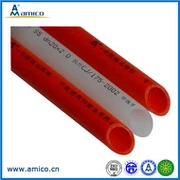
What Fittings Can You Use in Polybutylene?
Dec 02, 2023
Introduction
Polybutylene is a type of plastic commonly used in plumbing due to its affordability and flexibility. One of the most important considerations when installing polybutylene plumbing systems is selecting the correct fittings. In this article, we’ll explore the various types of fittings that can be used with polybutylene pipes.
Polybutylene Characteristics
Polybutylene is a plastic that is similar to PVC in terms of its physical properties. However, unlike PVC, polybutylene is more flexible and has a higher resistance to impact and pressure. One of the main advantages of polybutylene is that it is relatively inexpensive compared to other types of plumbing materials.
Polybutylene Applications
Polybutylene is commonly used in residential and commercial plumbing systems. It is ideal for the installation of hot and cold water supply lines, as well as for sewer and drain lines. Polybutylene is also used in hydronic heating systems, where hot water is circulated through radiators to heat a building.
Polybutylene Fittings
Polybutylene pipes require special fittings that are designed to fit the specific size and shape of the pipe. Here are some of the most common types of fittings used with polybutylene pipes.
Crimp Fittings
Crimp fittings are one of the most widely used types of fittings for polybutylene plumbing systems. Crimp fittings consist of a metal ring that is placed over the end of the pipe, and a crimping tool is used to compress the ring onto the pipe to create a secure seal. Crimp fittings are available in different sizes, depending on the diameter of the pipe.
Barbed Fittings
Barbed fittings are another type of fitting that can be used with polybutylene pipes. These fittings have a barbed end that is inserted into the pipe, and a clamp is used to secure the fitting in place. Barbed fittings are typically used in low-pressure applications, such as irrigation systems.
Compression Fittings
Compression fittings are a good option for connecting polybutylene pipes to fixtures, such as faucets and toilets. These fittings consist of a compression nut that is tightened onto the fitting to create a seal. Compression fittings are easy to install and can be used in a variety of applications.
Push-to-Connect Fittings
Push-to-connect fittings are a newer type of fitting that can be used with polybutylene pipes. These fittings allow for quick and easy installation, as they do not require any special tools or equipment. Push-to-connect fittings consist of a collet that holds the pipe in place and a fitting that is pushed onto the pipe to create a tight seal.
Saddle Fittings
Saddle fittings are used to connect a smaller pipe to a larger main pipe. These fittings are designed to fit over the main pipe, and a smaller pipe is connected to the saddle fitting. Saddle fittings are commonly used in irrigation systems, where a small pipe needs to be connected to a larger water supply line.
Flare Fittings
Flare fittings are used to connect polybutylene pipes to gas appliances, such as stoves and water heaters. These fittings consist of a threaded nut that is tightened onto the appliance, and a flare fitting that is inserted into the end of the pipe. Flare fittings are designed to create a secure seal that can withstand the high pressures associated with gas appliances.
Conclusion
When choosing fittings for polybutylene plumbing systems, it is important to select fittings that are designed to fit the specific size and shape of the pipe. Crimp fittings, barbed fittings, compression fittings, push-to-connect fittings, saddle fittings, and flare fittings are all viable options, depending on the application. By selecting the right fittings, you can ensure that your polybutylene plumbing system will be reliable and efficient for many years to come.