What Are The Two Methods Of Joining PPR Pipes?
Jan 04, 2024
Introduction
In the plumbing industry, PPR (Polypropylene Random Copolymer) pipes are commonly used for various applications such as water supply, heating, and air conditioning. These pipes are known for their excellent properties such as heat resistance, chemical resistance, and easy installation. In this article, we will discuss the two methods of joining PPR pipes.
Method 1: Heat Fusion
Heat fusion is the most commonly used method of joining PPR pipes. This method involves melting the ends of the pipes using a specialized tool and welding them together. This creates a permanent joint that is leak-proof and strong. There are four types of heat fusion methods:
1. Socket Fusion: This method involves heating the socket of the fitting and the end of the pipe separately and then joining them together. The joint is created when the melted pipe end is inserted into the melted socket of the fitting. This method is mostly used for small diameter pipes.
2. Butt Fusion: This method involves heating the ends of two pipes separately and then joining them together. The joint is created when the melted ends of the two pipes are pressed together. This method is mostly used for large diameter pipes.
3. Electrofusion: This method uses an electric current to melt the ends of the pipes and a specialized fitting. The melted ends are then pressed together to create a joint.
4. Fusion-Brass Compression: This method uses a brass insert that is heated to fuse the ends of the pipe and the fitting together. The molten plastic is then compressed against the brass insert, creating a joint.
Heat fusion is an excellent method for joining PPR pipes because it creates a joint that is leak-proof, strong, and durable. However, this method requires specialized tools and expertise, making it a bit expensive and time-consuming.
Method 2: Mechanical Joint
Mechanical joint is another method of joining PPR pipes. This method involves using fittings that mechanically clamp the pipes together. There are various types of mechanical joints, including:
1. Compression Fittings: This method involves using compression fittings that have a ring-shaped gasket inside. The pipes are inserted into the fitting, and as the collar is tightened, the gasket compresses against the pipe, creating a seal.
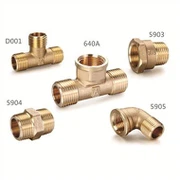
2. Threaded Fittings: This method uses fittings that have threads on the inside and outside. The male end of the pipe is threaded into the female end of the fitting, creating a joint.
3. Flanged Fittings: This method involves using a flanged fitting, which has a flat surface on each end. The pipes are bolted to each end of the fitting, creating a joint.
Mechanical joint is an excellent method for joining PPR pipes because it is easy to install, requires no specialized tools, and is cost-effective. However, this method may not be suitable for high-pressure applications because it is not as strong as heat fusion.
Conclusion
In conclusion, PPR pipes are an excellent choice for various plumbing applications because of their excellent properties. When it comes to joining PPR pipes, there are two methods to choose from: heat fusion and mechanical joint. Heat fusion is the most commonly used method because it creates a permanent and leak-proof joint. However, it requires specialized tools and expertise, making it more expensive. Mechanical joint is a cost-effective and easy-to-install method, but it may not be suitable for high-pressure applications. Ultimately, the choice of method depends on the specific application and the preference of the plumber or installer.