Is PPR Pipe Toxic?
Dec 12, 2023
Is PPR pipe toxic?
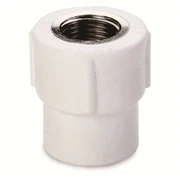
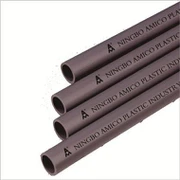
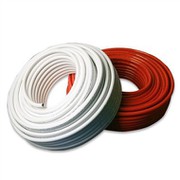
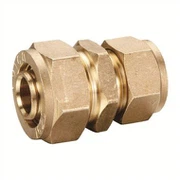
When it comes to plumbing options for water supply and drainage, many homeowners and contractors have become interested in using PPR pipes. PPR stands for polypropylene random copolymer, and it is a type of plastic that has been widely used in Europe and Asia for more than two decades.
One question that often arises when considering PPR pipes is whether or not they are toxic. In this article, we will explore the safety of PPR pipes and examine the factors that could contribute to potential toxicity concerns.
PPR pipe composition and manufacturing process
Before we explore the toxicity of PPR pipes, it is important to understand what they are made of, and how they are manufactured. PPR pipes are made of a thermoplastic material known as polypropylene, which is a type of plastic that is widely used in the packaging industry, as well as for the production of appliances, car parts, and other consumer goods.
To make PPR pipes, the polypropylene is mixed with a special type of random copolymer, which gives the pipes their unique properties. This copolymer is added to the raw material during the extrusion process, which involves melting the plastic and molding it into the desired shape.
During the extrusion process, the PPR material is mixed with additives, such as stabilizers and pigments, to enhance its color and improve its resistance to heat and UV radiation. The end result is a strong, durable, and long-lasting piping system that can be used for a variety of applications.
Factors that could contribute to toxicity concerns
While PPR pipes have been used safely in Europe and Asia for many years, there are some factors that could contribute to potential toxicity concerns. These include:
1. Raw material quality: The quality of the polypropylene and copolymer used in the manufacturing process can impact the toxicity of the finished product. If the raw material contains impurities or contaminants, it could result in a toxic end product.
2. Manufacturing process: The extrusion process used to make PPR pipes can also impact their toxicity. If the machinery is not properly maintained or doesn''t operate within the correct temperature range, it could result in the release of toxic fumes.
3. Use of additives: While additives are used to enhance the performance of PPR pipes, certain additives could contribute to toxicity concerns. For example, if lead-based pigments are used, it could result in a toxic end product.
4. Installation: The installation process of PPR pipes can also impact their safety. If the pipes are not properly installed, it could result in leaks that could release toxic chemicals into the environment.
PPR pipe safety
Despite the potential factors that could contribute to toxicity concerns, PPR pipes are generally considered safe for use in plumbing applications. This is due to the following factors:
1. Low toxicity: PPR is a low toxicity material, which means that it does not release harmful chemicals into the environment. This is why PPR pipes are used extensively in food packaging.
2. Resistance to heat and UV radiation: PPR pipes are resistant to high temperatures and UV radiation, which makes them ideal for use in plumbing applications. This also means that they won''t break down or degrade over time, which could release toxic chemicals into the environment.
3. Long lifespan: PPR pipes have a long lifespan, which means that they don''t need to be replaced as frequently as other piping materials. This reduces the risk of toxic chemicals being released from the pipes during the replacement process.
4. Non-corrosive: PPR pipes are non-corrosive, which means that they won''t break down over time and release harmful chemicals into the environment.
Conclusion
When it comes to plumbing options, PPR pipes are generally considered safe for use in water supply and drainage applications. While there are potential factors that could contribute to toxicity concerns, the low toxicity of the material, resistance to heat and UV radiation, long lifespan, and non-corrosive properties make PPR pipes an attractive option for homeowners and contractors alike.
As with any plumbing material, proper installation and maintenance is key to ensuring the safety and reliability of PPR pipes. By following best practices, and using high-quality piping materials and skilled installation professionals, homeowners can rest assured that their plumbing system is both safe and efficient.