Is PE Pipe Toxic?
Jan 14, 2024
Introduction
PE pipes, also known as polyethylene pipes, are commonly used for transporting fluids and gases. However, there have been concerns about the potential toxicity of these pipes. In this article, we will explore the topic of PE pipe toxicity and examine the scientific evidence regarding its safety.
What is PE pipe?
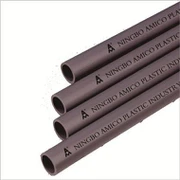
Polyethylene (PE) is a type of thermoplastic polymer that is widely used for various applications, including pipes, packaging materials, and consumer goods. PE pipes are made from high-density polyethylene (HDPE), which is a type of PE with a higher density and greater strength.
PE pipes are commonly used for transporting water, gas, and other liquids. They are lightweight, flexible, and resistant to corrosion, making them ideal for use in underground applications.
PE pipe composition
PE pipes are composed of polymers, which are large molecules made of repeating subunits. The specific composition of PE pipes can vary depending on the intended use and manufacturing process.
HDPE, the most common material used for PE pipes, is composed of ethylene monomers that are polymerized to form long chains. Other materials, such as low-density polyethylene (LDPE) and linear low-density polyethylene (LLDPE), may also be used for PE pipes.
PE pipes may also contain additives, such as antioxidants, stabilizers, and pigments, to improve their performance and appearance.
PE pipe toxicity concerns
Despite the widespread use of PE pipes, there have been concerns about their potential toxicity. These concerns stem from the fact that PE pipes may contain additives, and that certain types of PE may release harmful chemicals when exposed to high temperatures or UV radiation.
One of the main concerns about PE pipe toxicity is the potential release of volatile organic compounds (VOCs) and other harmful chemicals. These chemicals may be released when the pipes are exposed to high temperatures or when they come into contact with certain chemicals, such as gasoline or solvents.
Another concern is the presence of additives in PE pipes. Some additives, such as stabilizers and pigments, may be toxic or carcinogenic.
PE pipe safety
Despite these concerns, there is no scientific evidence to suggest that PE pipes are toxic or pose a significant health risk to humans or the environment.
Studies have shown that HDPE, the most common material used for PE pipes, is inert and does not leach harmful chemicals into the environment. HDPE is also resistant to UV radiation and high temperatures, which reduces the risk of VOC release.
The additives used in PE pipes are also typically safe and do not pose a significant health risk. These additives are carefully regulated by government agencies, such as the Environmental Protection Agency (EPA), to ensure that they do not pose a risk to human health or the environment.
PE pipe environmental impact
PE pipes are generally considered to be environmentally friendly compared to other materials used for pipes. They are lightweight, which reduces transportation emissions, and they are recyclable.
PE pipes also have a long lifespan and require minimal maintenance, which reduces their overall environmental impact. Additionally, they are often used for underground applications, which reduces the visual and aesthetic impact of the pipes on the landscape.
Conclusion
In conclusion, there is no scientific evidence to suggest that PE pipes are toxic or pose a significant health risk to humans or the environment. HDPE, the most common material used for PE pipes, is inert and does not leach harmful chemicals into the environment.
While there may be concerns about the potential release of harmful chemicals and the presence of additives in PE pipes, these risks are minimal and are carefully regulated by government agencies.
PE pipes are also environmentally friendly and have a long lifespan, making them a good choice for various applications.