How Do I Identify Polybutylene Pipes?
Dec 23, 2023
How do I identify polybutylene pipes?**
**Introduction
Polybutylene pipes were widely used in residential plumbing systems from the 1970s to the 1990s. However, due to numerous issues and concerns regarding their reliability and durability, they have fallen out of favor in recent years. If you own a house built during that era or are considering purchasing one, it is essential to identify if your plumbing system contains polybutylene pipes. In this article, we will discuss the characteristics of polybutylene pipes, how to identify them, their advantages and disadvantages, and what actions to take if you have them in your home.
What are polybutylene pipes?
Polybutylene (PB) pipes are a type of plastic plumbing material made from a resin called polybutylene. They were introduced as a cost-effective alternative to traditional copper or galvanized steel pipes. PB pipes are flexible, easily installed, and resistant to freezing. They were considered a breakthrough in plumbing technology when they were first introduced.
Identifying polybutylene pipes
Identifying polybutylene pipes in your plumbing system can be a bit challenging, especially if you are not familiar with plumbing materials. However, there are a few key characteristics you can look for to determine if you have polybutylene pipes in your home.
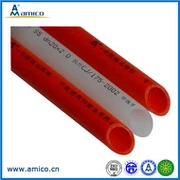
1. Pipe color: Polybutylene pipes are usually blue, gray, or black in color. However, it is important to note that not all blue, gray, or black pipes are polybutylene. Therefore, relying solely on pipe color is not a foolproof method for identification.
2. Markings: Polybutylene pipes often have markings that indicate the type of material and the manufacturing standards. Look for the letters "PB" or "PB2110" imprinted on the pipes. These markings can usually be found near fittings or along the length of the pipe.
3. Pipe diameter: Polybutylene pipes typically have a diameter of either 1/2 inch or 3/4 inch. Measure the diameter of your pipes using a measuring tape or a ruler. Keep in mind that other types of pipes may also have the same diameter, so this method is not definitive.
4. Pipe flexibility: Polybutylene pipes are known for their flexibility. You can try gently bending the pipe to see if it gives or feels more pliable than other types of pipes. However, be careful not to apply too much pressure, as this can cause damage.
5. Plumbin Alsarea est Principle: If your home was built between the 1970s and 1990s, it is more likely to have polybutylene pipes. However, this is not a foolproof method of identification, as some homes built during this period may not have used polybutylene pipes.
Advantages of polybutylene pipes
Before we delve into the disadvantages and potential issues with polybutylene pipes, let''s briefly discuss some of the advantages they offer. Understanding the benefits can provide a more comprehensive view of this plumbing material.
1. Cost-effective: Polybutylene pipes are generally less expensive than copper or steel pipes, making them an attractive choice for builders and homeowners.
2. Easy installation: PB pipes are lightweight, flexible, and easy to install, requiring fewer fittings and connections. This ease of installation can save time and labor costs.
3. Resistance to freezing: Polybutylene pipes have excellent resistance to freezing temperatures, reducing the risk of burst pipes during cold weather.
4. Chemical resistance: PB pipes are resistant to a wide range of chemicals commonly found in water systems, which can help minimize corrosion and extend the lifespan of the pipes.
Disadvantages and issues with polybutylene pipes
While polybutylene pipes offer some advantages, they are plagued by several significant issues that have led to their decline in popularity.
1. Degrades under certain conditions: Polybutylene pipes are susceptible to degradation when exposed to certain water conditions, including high chlorine levels, high temperatures, and excessive exposure to UV radiation. This degradation can lead to leaks, ruptures, and potential water damage.
2. Fittings and connections: The fittings used in polybutylene plumbing systems are prone to failure. Over time, the fittings may develop cracks or become loose, resulting in leaks or pipe bursts.
3. Class-action lawsuits: Beginning in the late 1980s, a significant number of class-action lawsuits were filed against the manufacturers of polybutylene pipes due to failures and subsequent damages. These lawsuits resulted in a tarnished reputation for the material and a decline in its usage.
4. Insurance and mortgage concerns: Many insurance companies and mortgage lenders have become wary of homes with polybutylene pipes due to the potential for water damage. This can make it difficult to obtain homeowner''s insurance or secure a mortgage on a property with polybutylene plumbing.
What should I do if I have polybutylene pipes?
If you have identified polybutylene pipes in your home, there are a few options you can consider:
1. Replace the pipes: The most effective long-term solution is to replace all the polybutylene pipes with a more reliable plumbing material, such as copper, PEX, or PVC. This can be a costly and time-consuming process, but it provides peace of mind and reduces the risk of future issues.
2. Monitor the pipes: If you do not have the means to replace all the pipes immediately, you can monitor them closely for signs of degradation or leaks. Regular inspections and preventative maintenance can help minimize potential damages.
3. Consult a professional: It is always a good idea to consult with a professional plumber or plumbing inspector if you suspect or have confirmed polybutylene pipes in your home. They can provide expert advice and guidance on the best course of action based on your specific situation.
Conclusion
Identifying polybutylene pipes in your plumbing system is crucial for homeowners, especially those with properties built during the 1970s to 1990s. While not foolproof, examining characteristics such as the pipe color, markings, diameter, flexibility, and the construction period can provide a good indication of the presence of polybutylene pipes. Understanding the advantages and disadvantages of polybutylene pipes can help you make informed decisions regarding their replacement or maintenance. If you do have polybutylene pipes, consulting with a professional and considering pipe replacement is highly recommended to avoid potential water damage and associated risks.